
Lawn & Plant Care





Grass Seen by Region
Northern Region
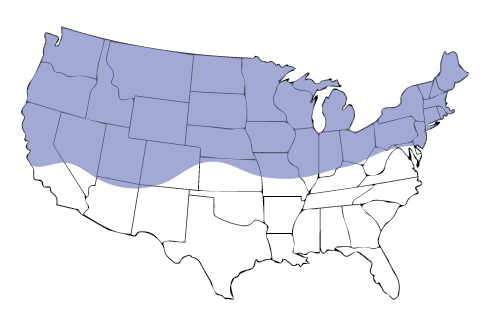
These grass types thrive in cooler environments. Common ones include bluegrass, ryegrass, and Fescue.
Shop Northern Grass Seed >
Transitional Region
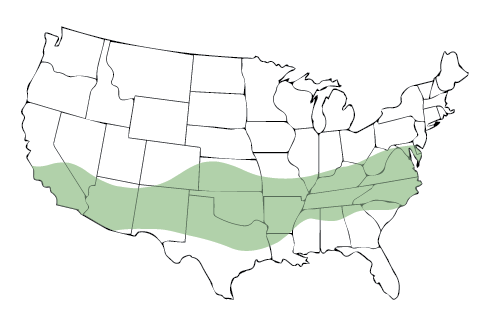
Grasses such as sun and shade, bermuda, and fescue can thrive in both cool and warm temperatures.
Shop Transitional Grass Seed >
Deep South & Gulf Region
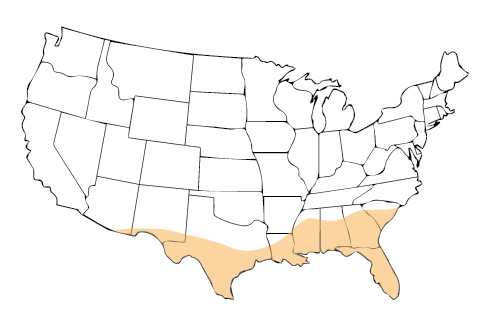
Different grasses thrive in the warm South, including common types like bermuda, St. Augustine, and centipede.
Shop Deep South & Gulf Grass Seed >
Lawn Maintenance

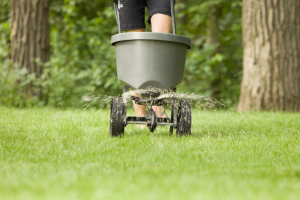


Guidance & Resources
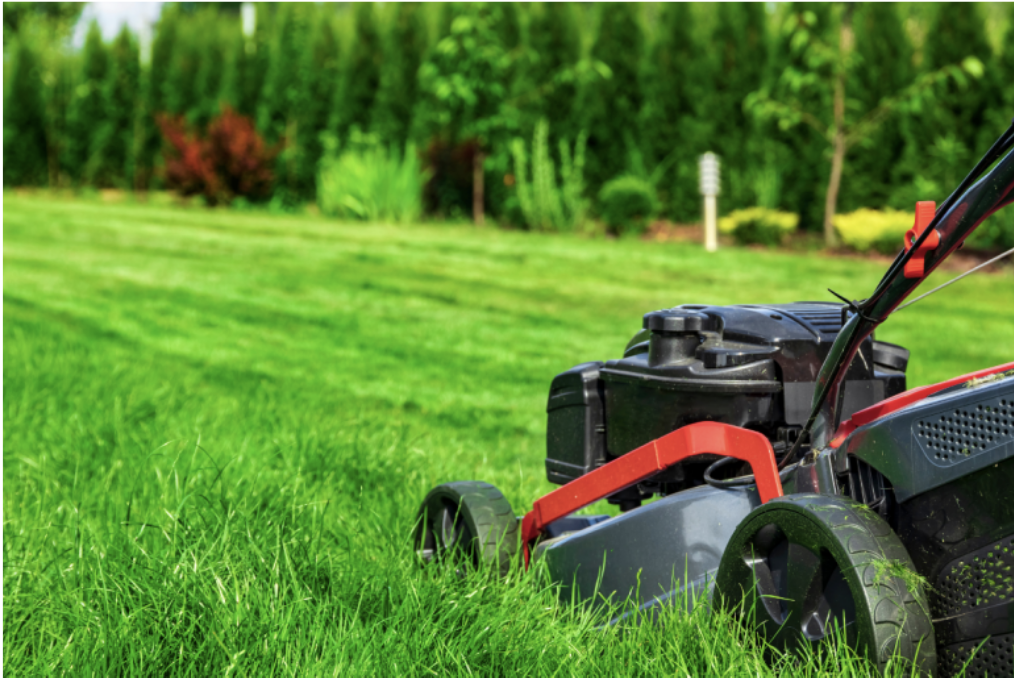
Grass Growing Made Easy
Explore different grass types and how to plant them for the best results.
Read More >
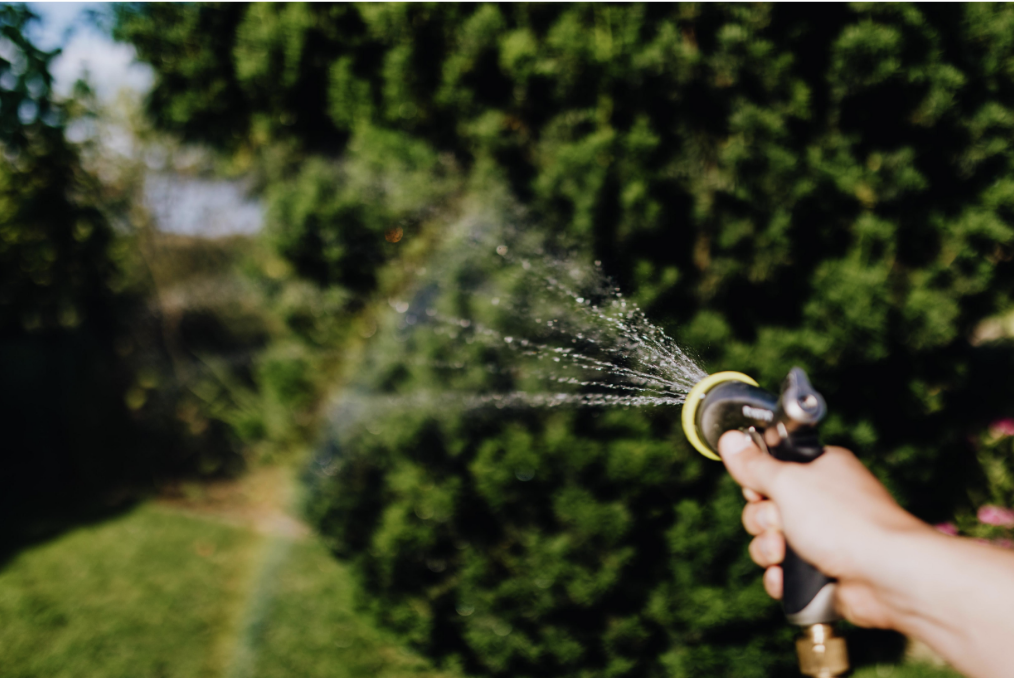
Healthy Lawn, Less Water
Learn how to water your lawn the right way to save time and resources.
Read More >
Shopping Made Easier
Essential Lawn and Plant Care Tips for Every Region
Maintaining a healthy and beautiful lawn requires proper care and attention. There are several factors to consider, from choosing the right type of grass seed to fertilization techniques. Explore the differences between Bermuda and rye grass seed, learn effective fertilization methods, and receive answers on when and how often you should fertilize. Whether you are a seasoned gardener or a beginner, these tips will help you achieve a lush and vibrant yard all year round.
Grass Seed By Region
Select the appropriate grass seed for your region and specific needs. Different types of seeds have varying characteristics and adaptability. When choosing, consider climate, sunlight exposure, and foot traffic. For instance, ryegrass seed is ideal for colder climates, while Bermuda grass seed thrives in warmer regions. Recognize your region and ensure it is suitable for that area.
Fertilizers
Regular fertilization is essential for maintaining the health and vitality of your lawn. It provides the necessary nutrients for grass growth, strengthens roots, and enhances the overall resistance to diseases and pests. Following the correct timing and accurately applying techniques is extremely important. Applying fertilizer during the active growing season, usually spring and fall, ensures optimal absorption and utilization by the grass. Additionally, evenly spreading the fertilizer using a spreader helps prevent uneven growth and burn spots.
While traditional granular fertilizers are popular, liquid lawn fertilizers offer several advantages. Liquid fertilizers are quickly absorbed by the grassroots, providing immediate nourishment. They are also easy to apply, especially in hard-to-reach areas or uneven terrains. Moreover, liquid fertilizers are available in various formulations, allowing targeted treatments for specific lawn needs, such as weed control or enhanced color. Consider incorporating liquid fertilizer into your lawn care routine for optimal results.
Winterize Your Lawn
Remember to meet your lawn's nutritional needs as the cold winter months approach. Applying a winter lawn fertilizer before the onset of freezing temperatures helps strengthen the grass and promotes root development during the dormant season. Look for a winter fertilizer with a higher ratio of potassium, which enhances resistance to cold and disease. Investing in winter fertilization can ensure a healthier yard when spring arrives.
A well-kept landscape enhances your home's look and offers a refreshing outdoor area. Selecting the right seed, using effective fertilization methods, and exploring liquid lawn fertilizers can help maintain a vibrant and attractive yard. Remember to adapt your care routine to suit your local climate and the type of greenery you have. Follow these tips, and soon, your home will stand out in the neighborhood!
Grass Seed By Region
Select the appropriate grass seed for your region and specific needs. Different types of seeds have varying characteristics and adaptability. When choosing, consider climate, sunlight exposure, and foot traffic. For instance, ryegrass seed is ideal for colder climates, while Bermuda grass seed thrives in warmer regions. Recognize your region and ensure it is suitable for that area.
Fertilizers
Regular fertilization is essential for maintaining the health and vitality of your lawn. It provides the necessary nutrients for grass growth, strengthens roots, and enhances the overall resistance to diseases and pests. Following the correct timing and accurately applying techniques is extremely important. Applying fertilizer during the active growing season, usually spring and fall, ensures optimal absorption and utilization by the grass. Additionally, evenly spreading the fertilizer using a spreader helps prevent uneven growth and burn spots.
While traditional granular fertilizers are popular, liquid lawn fertilizers offer several advantages. Liquid fertilizers are quickly absorbed by the grassroots, providing immediate nourishment. They are also easy to apply, especially in hard-to-reach areas or uneven terrains. Moreover, liquid fertilizers are available in various formulations, allowing targeted treatments for specific lawn needs, such as weed control or enhanced color. Consider incorporating liquid fertilizer into your lawn care routine for optimal results.
Winterize Your Lawn
Remember to meet your lawn's nutritional needs as the cold winter months approach. Applying a winter lawn fertilizer before the onset of freezing temperatures helps strengthen the grass and promotes root development during the dormant season. Look for a winter fertilizer with a higher ratio of potassium, which enhances resistance to cold and disease. Investing in winter fertilization can ensure a healthier yard when spring arrives.
A well-kept landscape enhances your home's look and offers a refreshing outdoor area. Selecting the right seed, using effective fertilization methods, and exploring liquid lawn fertilizers can help maintain a vibrant and attractive yard. Remember to adapt your care routine to suit your local climate and the type of greenery you have. Follow these tips, and soon, your home will stand out in the neighborhood!