
Water Heaters & Softeners

Shop Tank Water Heaters By Fuel Type


Water Heater Types
Tank Water Heaters
Tankless Water Heaters
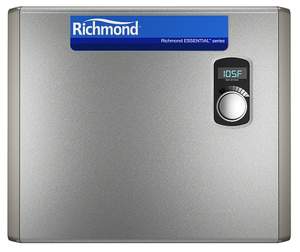
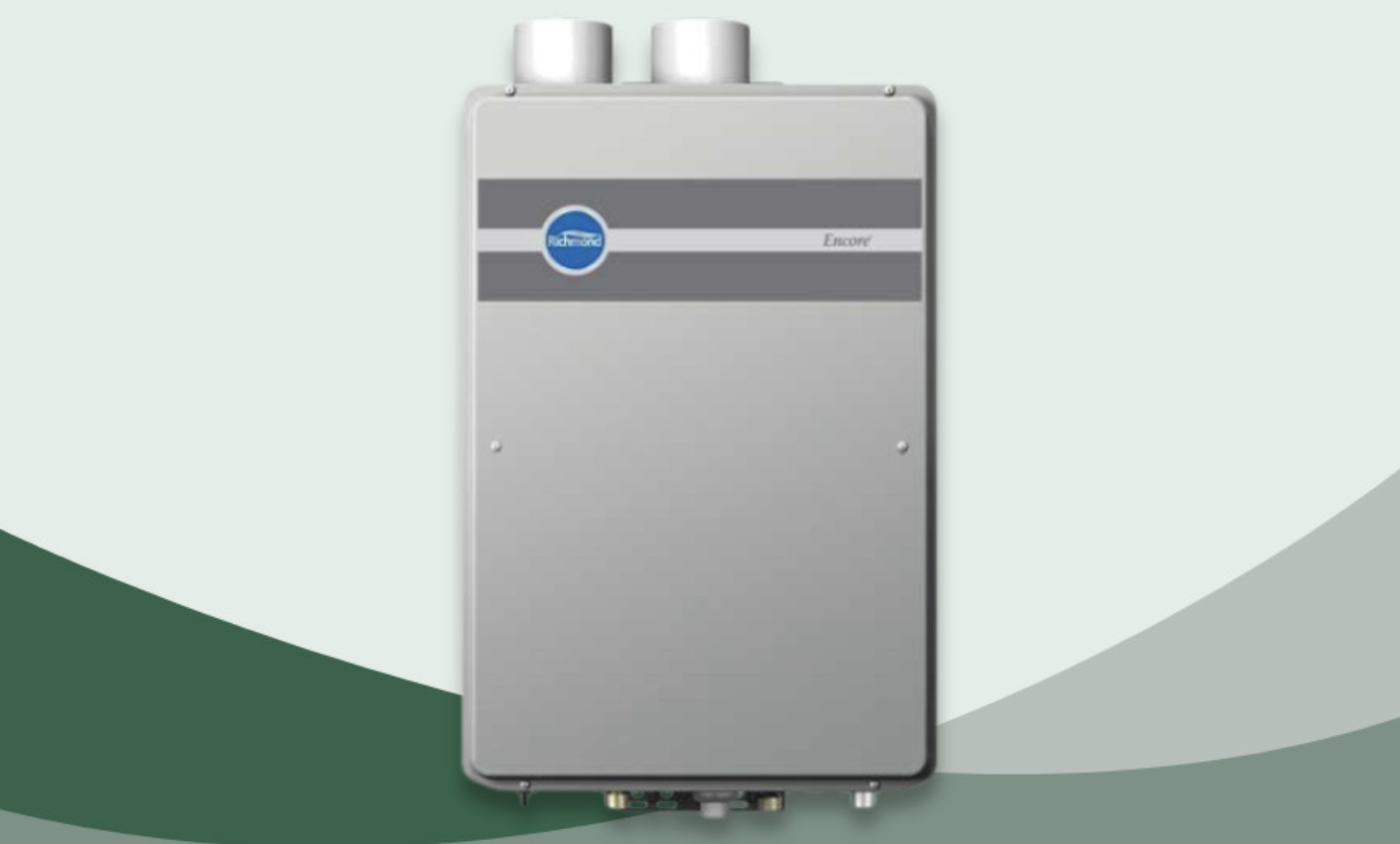
Tankless water heaters deliver hot water on demand, offering exceptional energy efficiency and a space-saving design. While the initial investment may be higher, they provide a continuous flow of hot water and can contribute to lower utility bills over time.Shop Tank Water Heaters by Household Size

Resources & Tips

Shopping Made Easier
Should you Buy a Tank Water Heater or a Tankless Water Heater?
Hot water heaters and softeners have become essential appliances. They provide us with the convenience of having hot water for our daily needs and softening the hard water that can be detrimental to our skin and hair. Replacing a broken heater is inevitable but consider specific factors before picking out a new one. Determine the energy source in your home, choose between a tank or tankless water heater, and figure out what size heater is needed for your home.
Different Types of Water Heaters
Several types of water heaters are available on the market, each with features and benefits. Let's explore some of the most popular options.
1. Gas Water Heaters
These are efficient and cost-effective and heat quickly through a burner using natural gas or propane, but they require a gas line and ongoing maintenance.
2. Electric Water Heaters
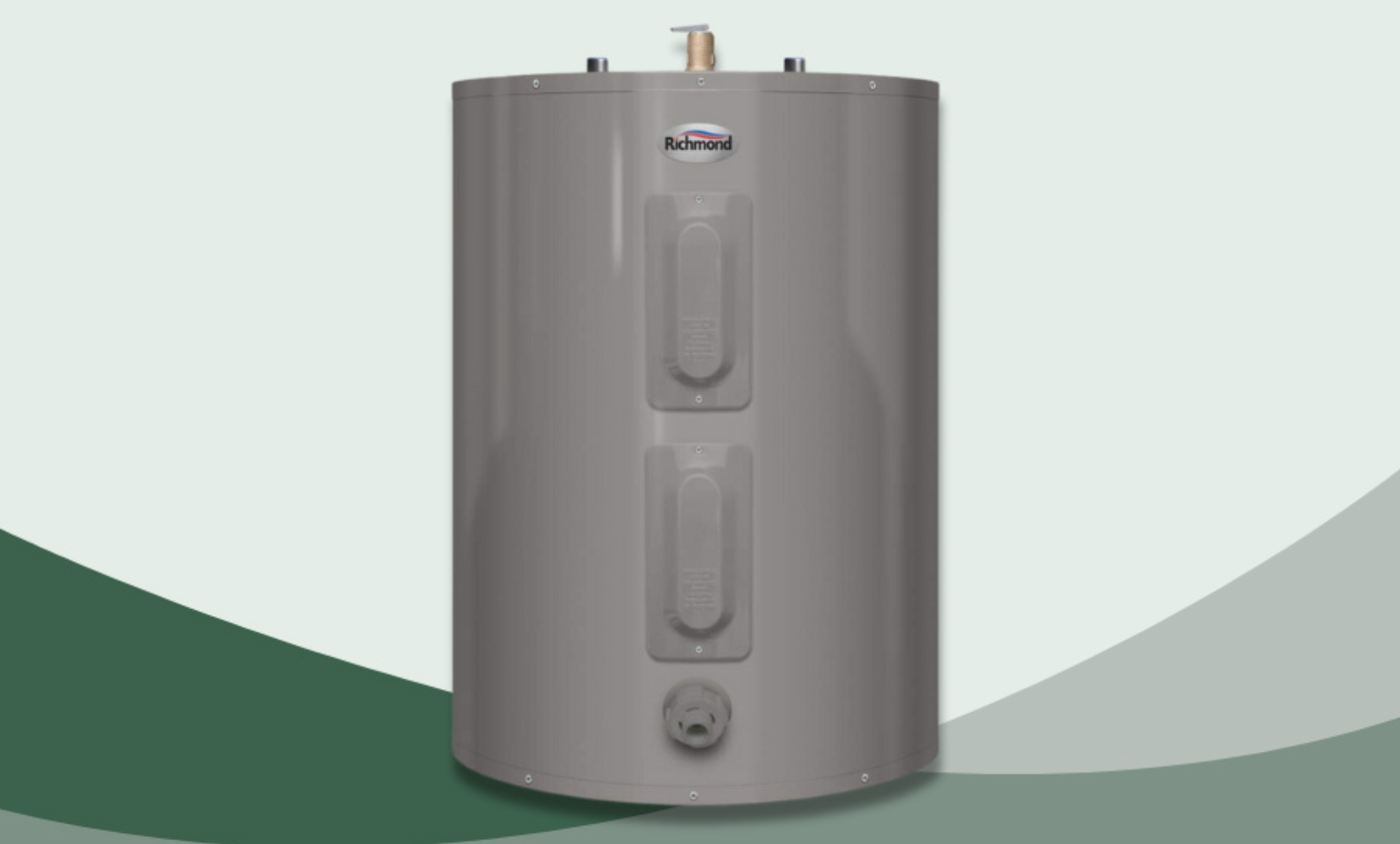
Electric options are convenient and easy to install, and they use an electric heating element. They may have higher operating costs depending on local energy rates.
3. Propane Water Heaters
These are similar to gas heaters but use propane instead. They are portable, easy to install, cost-effective, and energy-efficient. Note that they may need additional maintenance.
Tank Water Heaters vs. Tankless Water Heaters
Once you have established the energy source, consider whether you want a tank or tankless heater. Both types have their advantages and disadvantages.
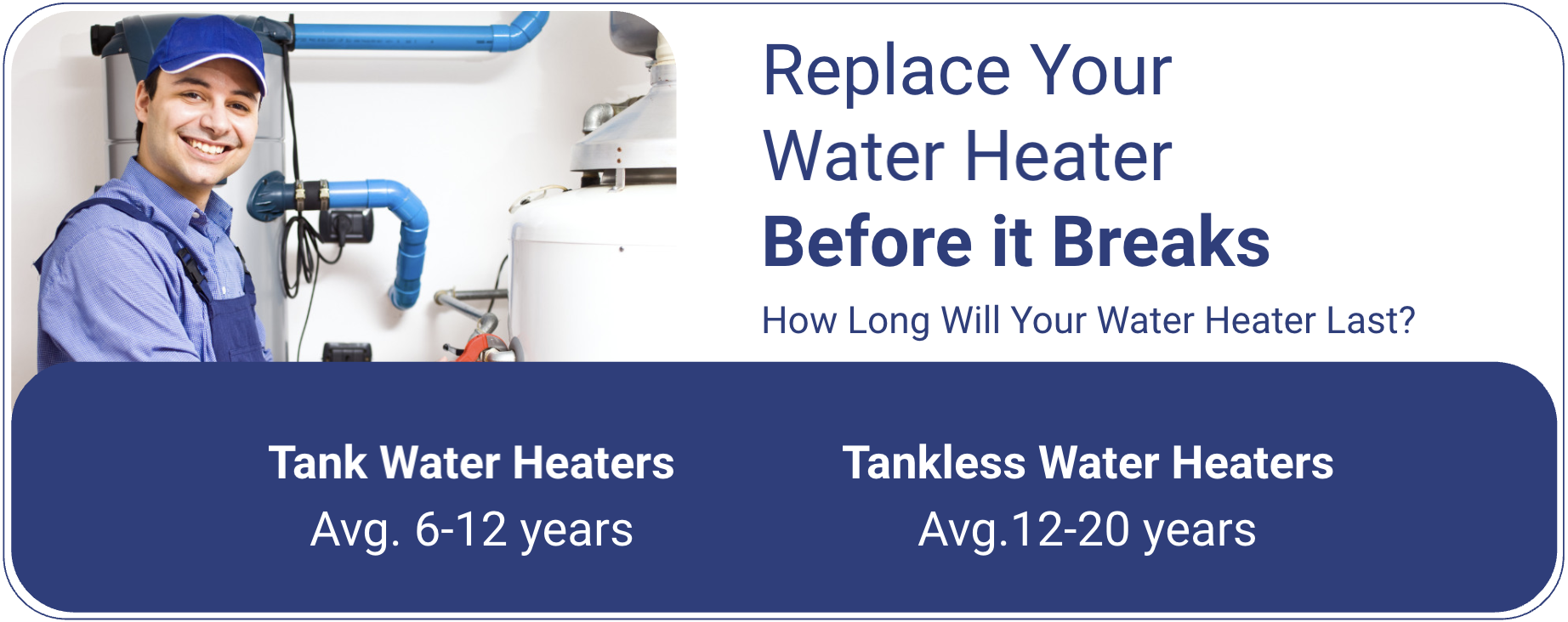
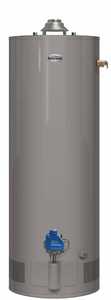
Tank options are the most common type found in homes, and have a storage tank that holds and heats water until needed. They are affordable and easy to install but require more energy due to reheating the cooled stored water.
Tankless options heat water as it flows through the unit, providing a constant hot water supply. They are energy-efficient but have a higher upfront cost and may require a larger initial investment.
Determine the Size
The next consideration is determining how big your heater should be. This depends on several factors, including your water usage and the number of people in your household. If you have a large household or high usage, you may need a larger heater to keep up with demand. Additionally, you should consider the number of bathrooms and sinks in your home, as multiple fixtures will increase your usage.
Additionally, consider the height and length of the unit. Ensure enough clearance around the water heater for maintenance and servicing.
Water Heater Repair vs. Replacement
Lastly, it's crucial to consider the replacement cost when deciding which type to buy. Sometimes, replacing a broken water heater is more cost-effective than repairing it. However, each option has pros and cons regarding factors like energy efficiency, durability, and maintenance costs before deciding.