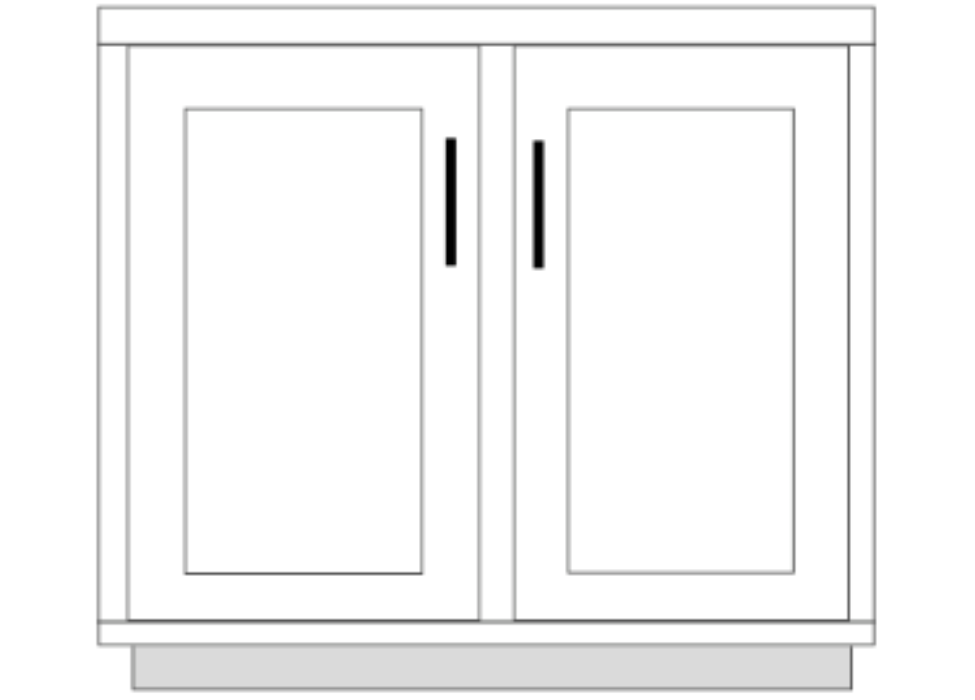
How to Choose the Right Kitchen Cabinets for Your Home
You’ve decided to give your kitchen a fresh look with a cabinet makeover—now comes the fun part! From choosing paint or stain colors to selecting custom cabinet door styles and finishes, plenty of exciting options are ahead. Let’s dive in and explore what to consider for your kitchen cabinet transformation.
Custom Cabinets vs. Refinishing vs. Refacing
Custom Cabinets
If you’re looking for a complete makeover, this is your route. You have complete control over everything, and you can change the layout of your kitchen as well. This option will be more expensive, but it will increase the value of your home and be a long-term investment. This option works well for spaces that have unique layouts.
Refinishing
This is going to be the most cost-effective option out of the three. In this case, you have liked the layout of your current cabinets, but you want to give the doors a facelift. This process involves sanding the doors to remove the current finish and applying either paint or stain.
Refacing
Refacing is between custom cabinets and refinishing in terms of cost and labor. You keep the original frame but replace the cabinet doors and drawer fronts completely. This option is great if you want to change the cabinet style without fully replacing everything. Compared to refinishing, refacing offers more freedom.
Cabinet Materials
It’s important to know about your material options for complete customization or refacing their cabinets. Each option has pros and cons, so pick the best fit for you and your space.
Hardwood
Hardwood is the highest quality material for cabinets, making it a popular choice. It offers many advantages: it’s extremely durable, can be refinished to change colors over time, and comes in a wide variety of colors and wood types. Popular hardwoods for cabinets include maple, oak, and cherry. Keep in mind, however, that hardwood tends to be more expensive compared to other materials.
Plywood
Plywood is popular for cabinet shelves, sides, backs, and drawer bottoms. It’s made from thin pieces of wood adhered together. Plywood is a great option for kitchens because it works well in high-humidity areas and is less likely to warp.
MDF (Medium Density Fiberboard)
MDF is an excellent choice for painted finishes and offers a cost-effective alternative to plywood and hardwood cabinets. However, it’s less durable than solid wood, so it may not withstand heavy wear as well.
Particleboard
Particleboard is another engineered wood alternative, similar to MDF. It is a budget-friendly option typically used in lower-end cabinets for shelves and cabinet frames. Although it is not as durable, it is a low-cost alternative.
Finishes
There are two main routes you can go down to create your ideal finish: paints and stains.
Paints
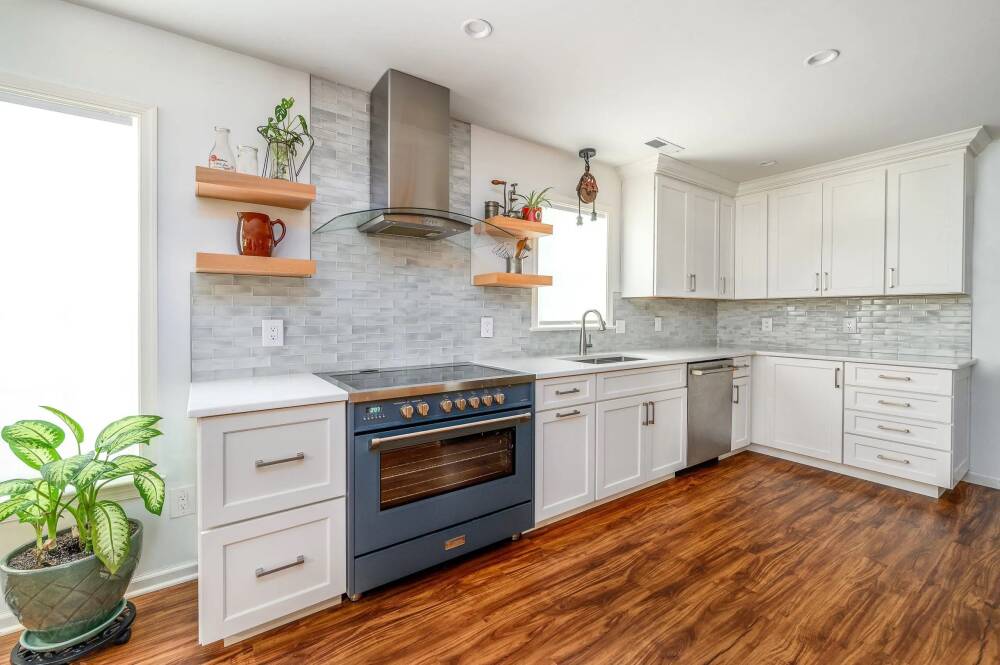
This option is perfect for those looking to cover the natural wood grain on their cabinets. It offers a wider range of color choices, allowing for more variety and personalization. This approach works well for achieving a vibrant, modern, or sleek kitchen aesthetic.
Stains
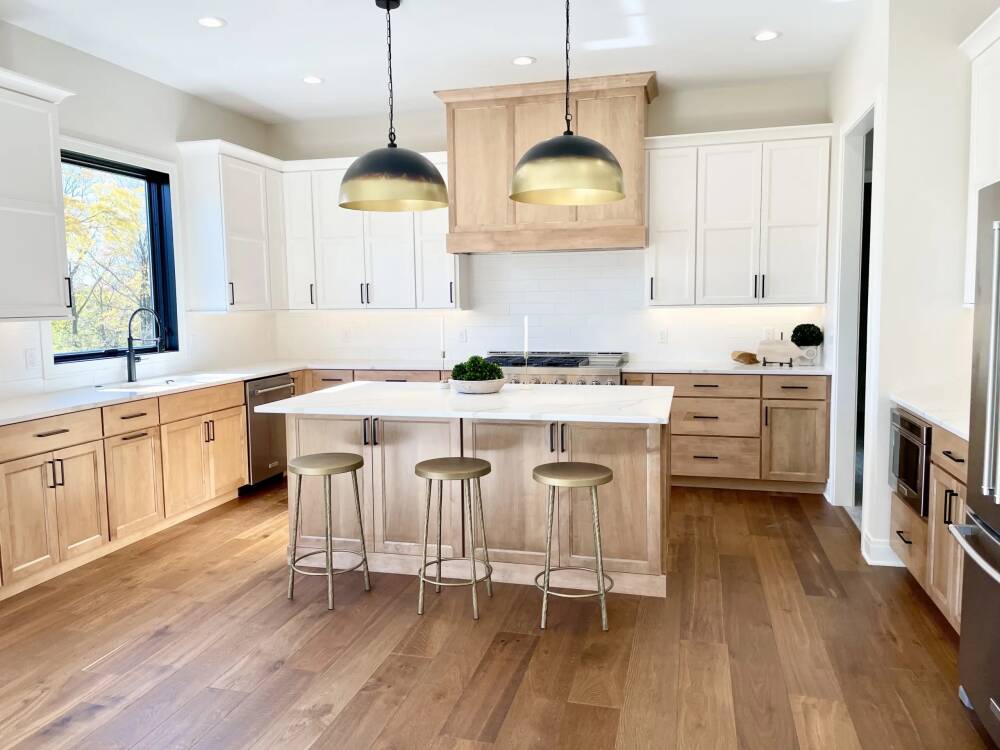
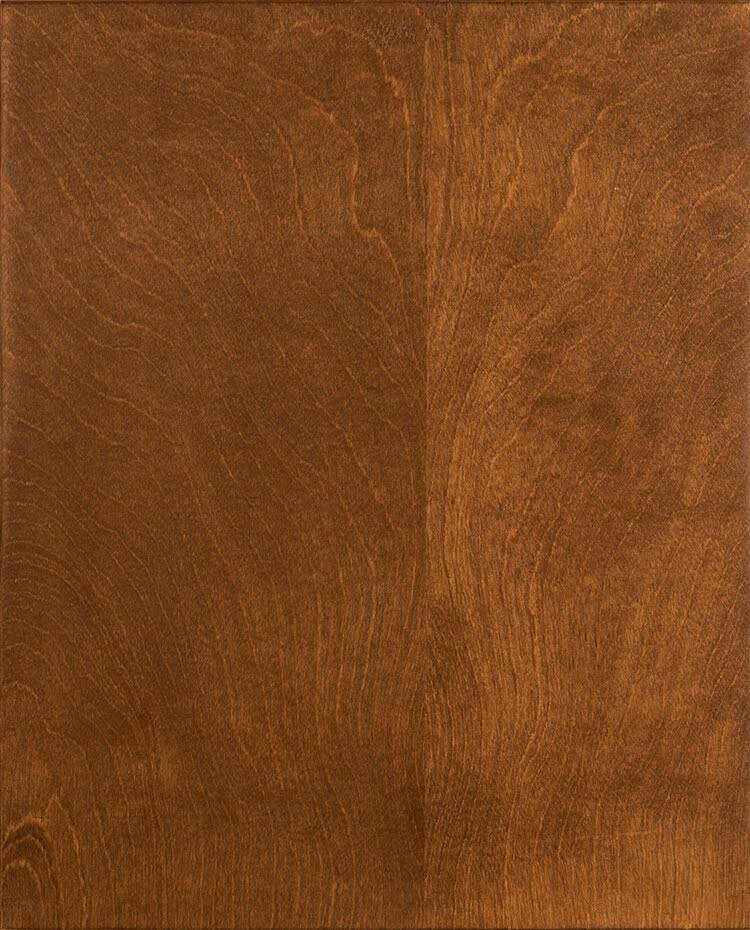
Using wood stains allows you to preserve the natural feel of wood in your space. Lighter stains highlight the wood’s unique character, while darker stains help conceal any imperfections. Stained cabinets are an excellent choice for creating a natural, minimalist look.
Door Design
Choose a door style that reflects the overall look of your space.
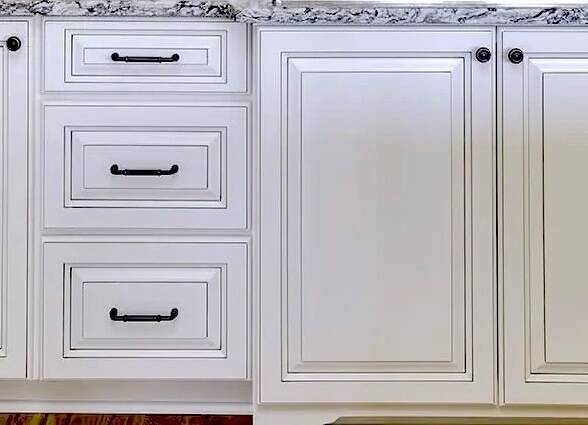
Raised Panel
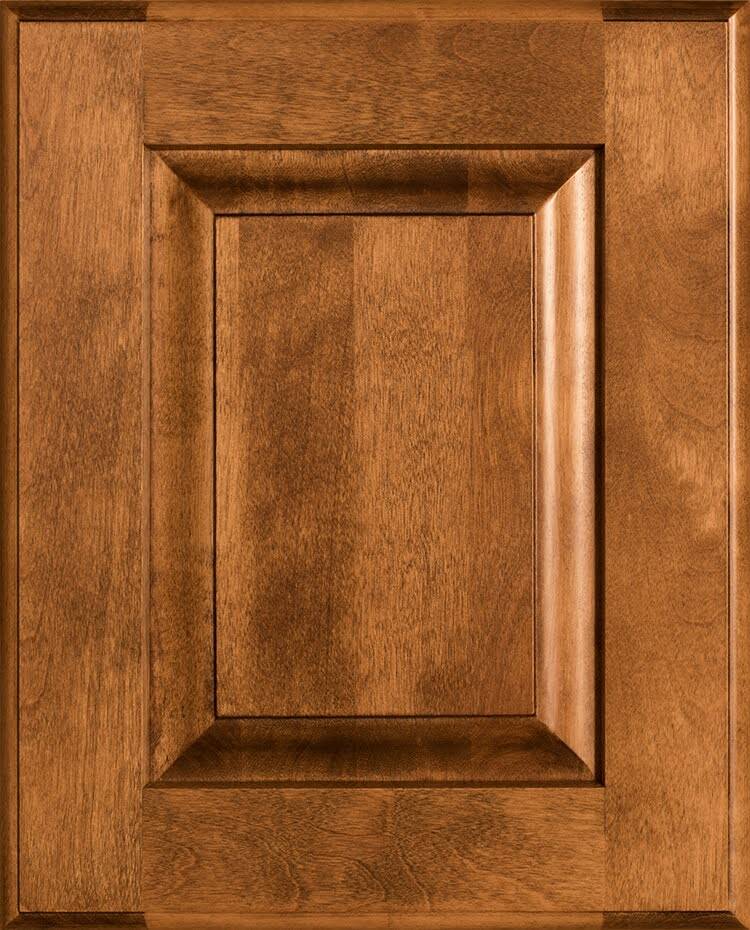
This is the most common design option seen in traditional-style homes. Raised panel cabinet doors typically feature a center panel slightly elevated from the surrounding frame, creating a layered or three-dimensional look. This center panel is bordered by a recessed section that adds depth and is surrounded by the door's outer frame.
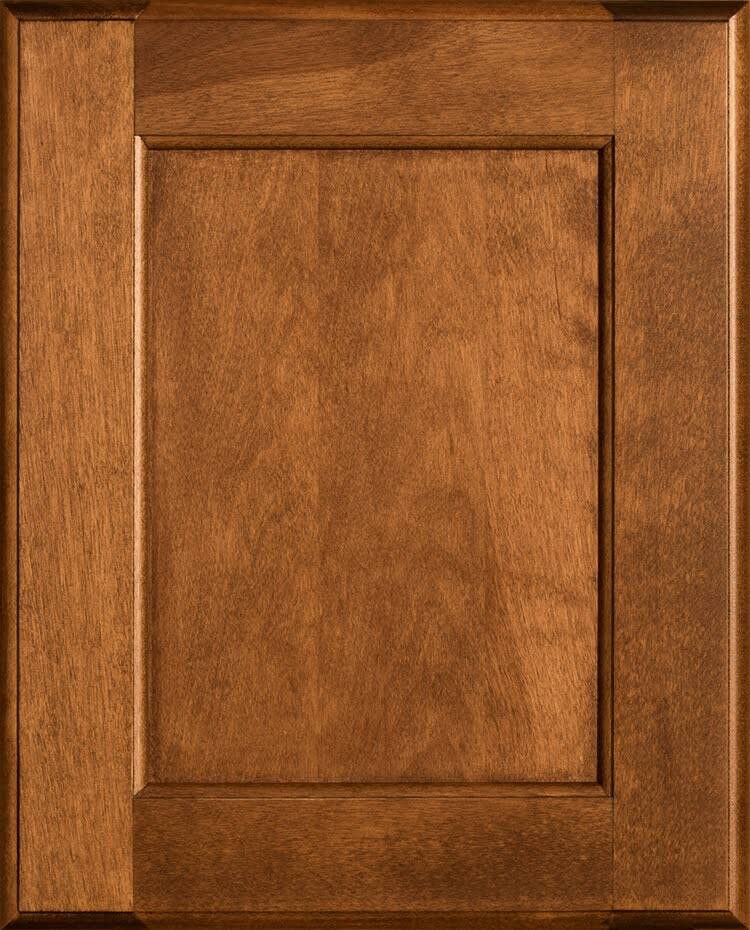
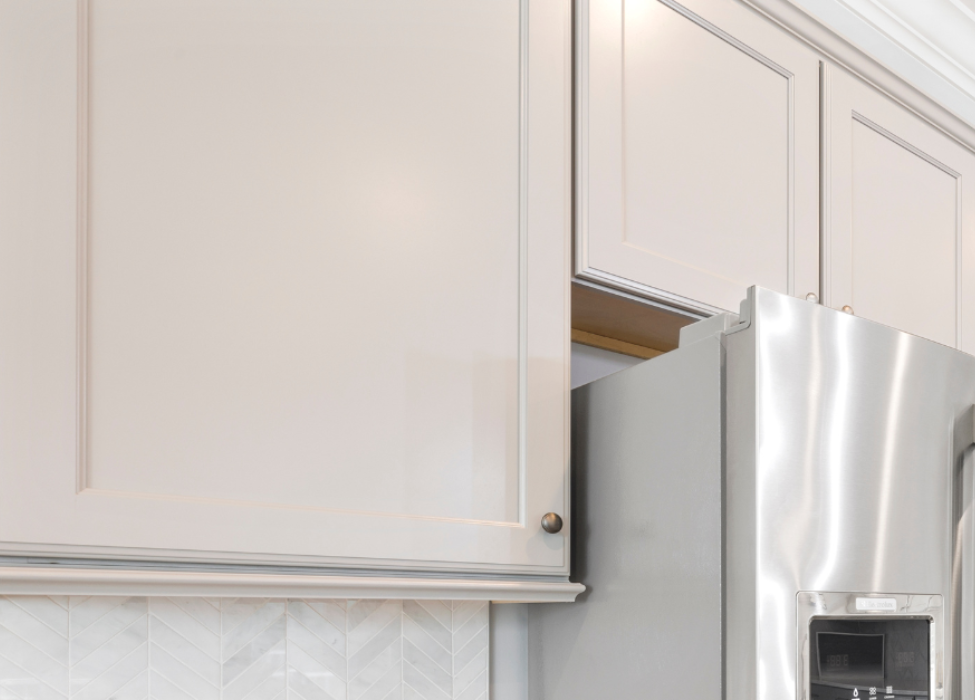
Recessed Panel
This style resembles a raised panel, but the inner panel is recessed, sitting lower than the surrounding frame. It’s an excellent choice for achieving a traditional or contemporary look in your space.
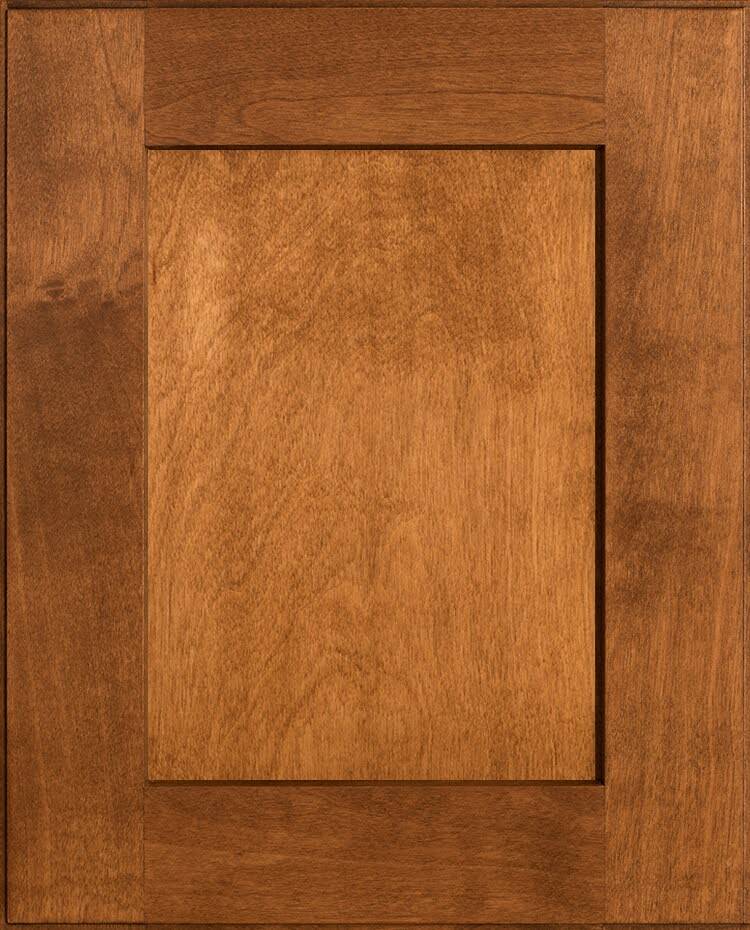
Shaker
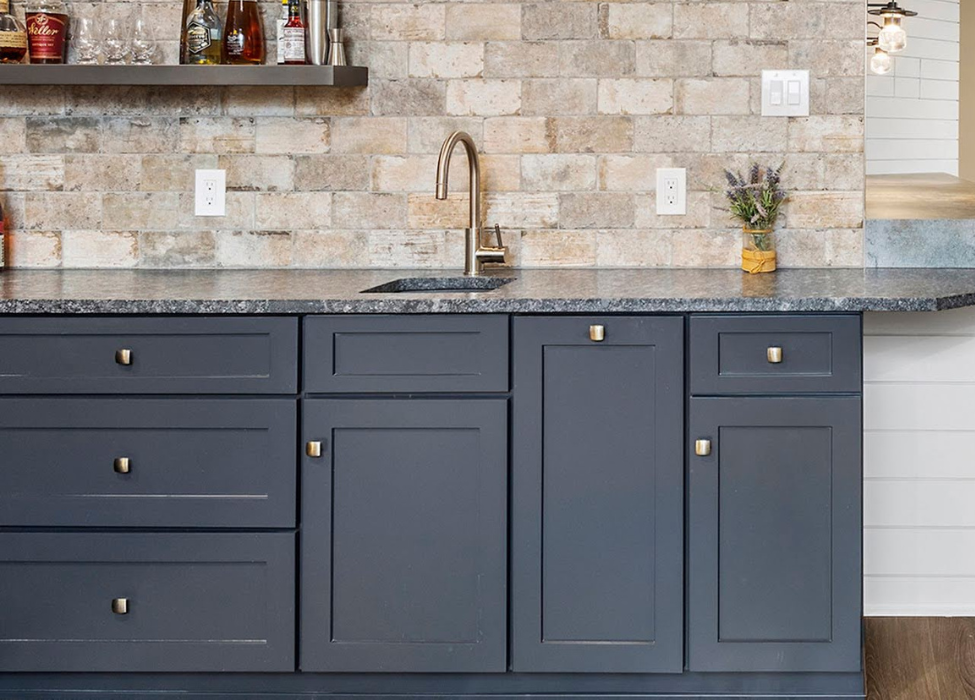
Shaker cabinet doors have a recessed center panel and clean, straight edges with no bevels or angled cuts along the seams. The 90-degree cuts in the frame allow for the "cope and stick" construction method, giving these doors their simple, minimalist design.
Slab Panel
This option offers a sleek, modern design with a completely flat surface, featuring no raised or recessed panels on the cabinet door.
Overlay Door Types
Next, consider how the cabinet doors will sit against the cabinet frame. There are two main styles to choose from: partial overlay and full overlay.
Partial Overlay
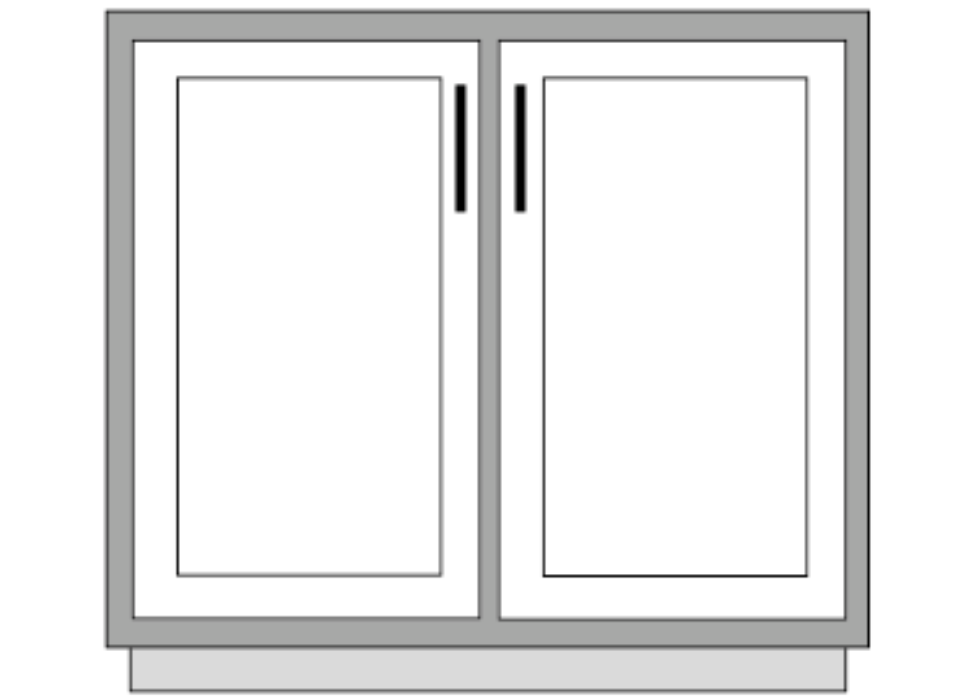
Partial overlay doors are a great choice if you prefer not to use hardware. These doors sit on top of the cabinet frame but leave enough space around the edges to allow easy opening without additional hardware.
Full Overlay
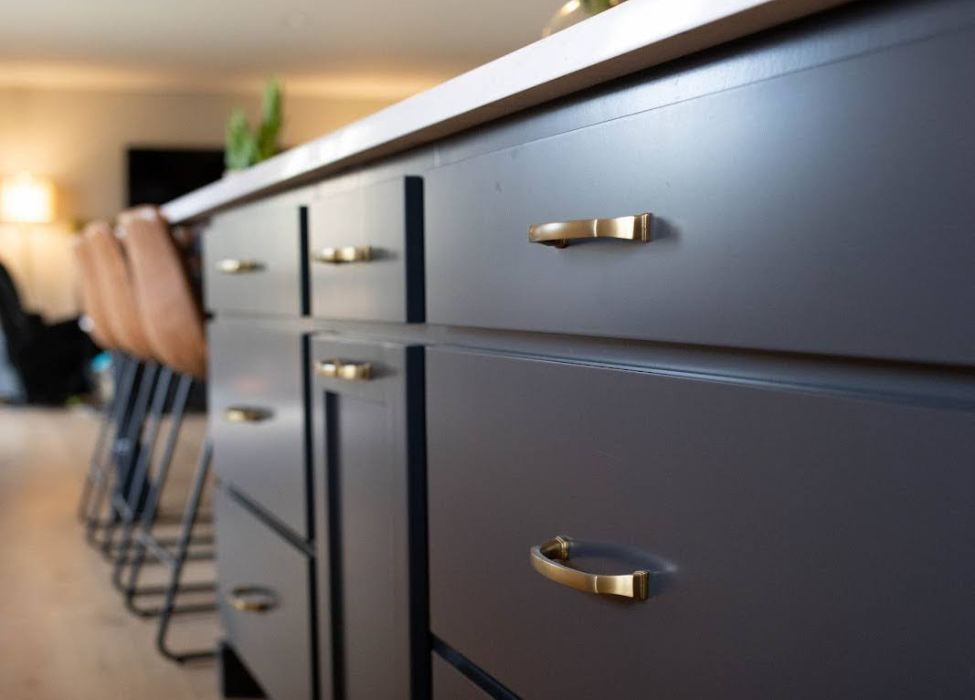
Full overlay cabinet doors maximize interior space, as the door or drawer front covers the entire cabinet frame, sitting flush on the outside. Since the doors and drawers fully cover the frame, cabinet hardware is essential for easy opening and closing.
Inset Overlay
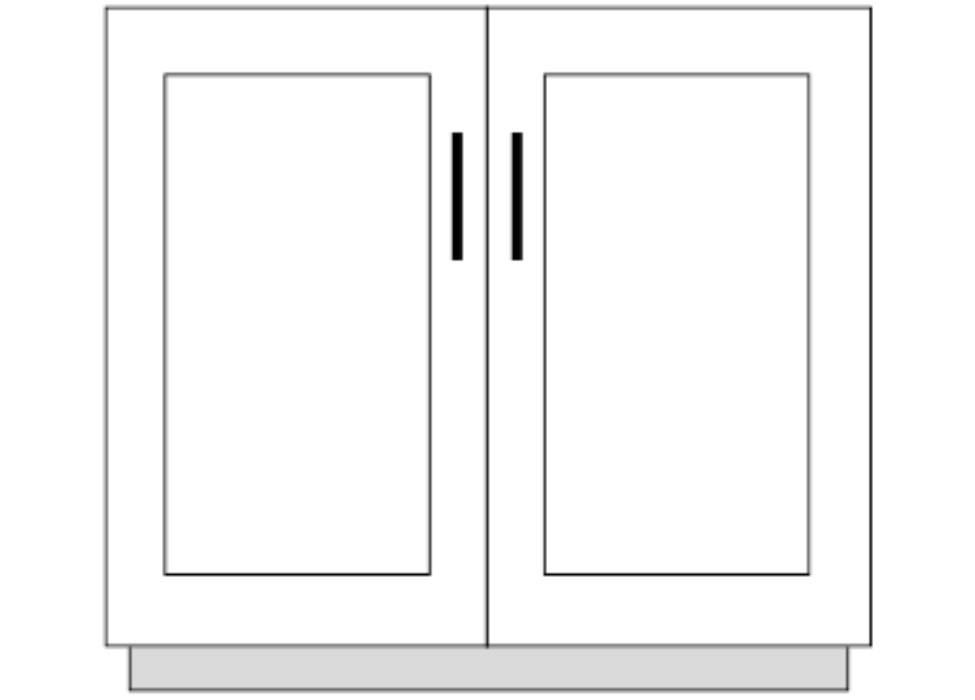
Inset cabinets are unique because, rather than sitting on top of the frame, they fit flush within it, creating a seamless, flat look. This style is popular in traditional and craftsman-style kitchens.