
Spray Paint



Types of Spray Paint
General Purpose Spray Paint
General purpose spray paint is the go-to choice for everyday projects around the home, yard and shop. Formulated to bond to wood, metal, plastic, wicker and more, these all-surface enamels provide durable color with good rust and chip resistance. Choose from flat, satin, semi-gloss and gloss finishes, and look for paint-and-primer-in-one formulas to save a step on most surfaces. Great for outdoor furniture, mailboxes, railings, planters, tools and home décor.
Craft & Specialty Spray Paint
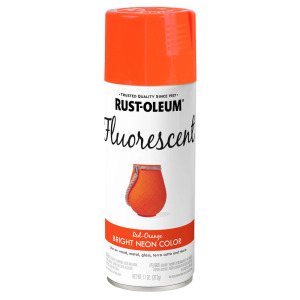
Add character to furniture, décor and DIY projects with craft and specialty spray paints. Options include metallic, chrome, glitter, hammered, textured stone, chalk-finish, frosted glass and glow-in-the-dark effects. Specialty formulas are also built for demanding surfaces and conditions, including high-heat paint for grills, fire pits and engines, plastic paint for outdoor furniture and bins, appliance epoxy for refrigerators and washers, and fabric and vinyl paints for upholstery and auto interiors.
Industrial & Marking Spray Paint
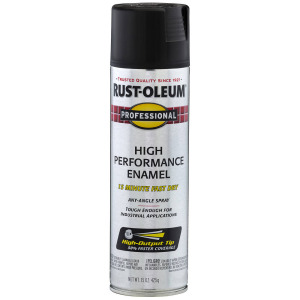
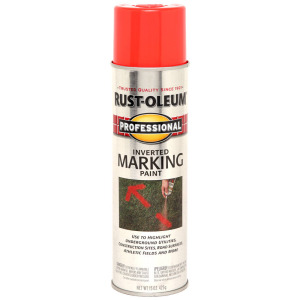
Industrial and marking paints are made for job sites, warehouses, farms and work zones. Inverted marking paint sprays upside down so you can mark ground, grass, gravel, concrete and asphalt for utility locates, excavation, landscaping and layout. Bright fluorescent colors stay visible in the field, and many formulas are designed to fade over time for temporary marking. Industrial enamels offer tough, rust-resistant protection for equipment, machinery, steel and structures.
Spray Primer
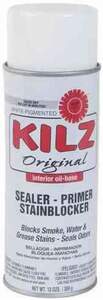
A good primer is the foundation of a lasting paint job. Spray primer improves adhesion, blocks stains and creates a uniform base so your topcoat goes on smoother and looks better. Choose all-purpose primer for most surfaces, rust-inhibiting primer for metal, sandable and filler primers to hide scratches and imperfections, self-etching primer for bare aluminum and steel, and bonding primer for plastic and glossy surfaces. Available in white, gray, black and red oxide.
Spray Stain & Polyurethane
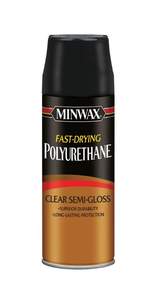
Spray stain and polyurethane make it easy to finish wood without brush marks, drips or pooling, especially on spindles, chairs, cabinets, trim and other detailed pieces. Spray stain adds rich wood tone in an even coat, while combination stain-and-poly products color and protect in one step. Clear spray polyurethane, lacquer and sealers protect wood from scratches, moisture and wear in matte, satin, semi-gloss and gloss sheens, giving furniture and woodworking projects a professional finish.
Spray Paint FAQs
How many cans of spray paint do I need?
Coverage varies by product, but a standard 12 oz can typically covers about 8 to 15 square feet. Plan on two light coats for best results, and grab an extra can for larger or more porous projects.
Do I need to use primer before spray painting?
Primer is recommended for bare metal, bare wood, plastic, glossy surfaces, and when you’re making a big color change. Paint-and-primer-in-one formulas can skip this step on many previously painted or lightly prepared surfaces.
What’s the best temperature to spray paint?
Most spray paints work best between 50°F and 90°F with low humidity. Painting in cold, hot or humid conditions can cause runs, bubbling, wrinkling or slow drying. Always check the label for the product’s recommended range.
How long does spray paint take to dry?
Most spray paints are dry to the touch in 20 minutes to an hour and fully cured in about 24 hours. Many enamels must be recoated within an hour or after 48 hours to avoid wrinkling, so follow the recoat window on the can.
What do marking paint colors mean?
Utility marking follows a standard color code: red for electric, yellow for gas and oil, orange for communications, blue for drinking water, green for sewer and drains, purple for reclaimed water, pink for temporary survey marks and white for proposed excavation. Always call 811 before you dig.
Can I spray polyurethane over stain?
Yes. Let stain dry completely per the label, then apply thin coats of clear spray polyurethane. Lightly sand with fine-grit sandpaper between coats for the smoothest finish.