

How to Get Your Home Ready for Winter: 10 Essential Fall Maintenance Tips
As temperatures begin to drop, Fall is the perfect time to tackle home maintenance before winter arrives. From sealing drafty windows and cleaning gutters to protecting outdoor plumbing, a little preparation now can help prevent costly repairs later.
Whether you are a first-time homeowner or a seasoned DIYer, these fall maintenance tips will assist you in readying your home for the chillier months, enhancing energy efficiency, and ensuring your space remains cozy throughout the winter.
What Should You Do to Prepare Your Home for Winter?
To prepare your home for winter, seal gaps around windows and doors, clean gutters, inspect your roof, protect exposed pipes, service your heating system, check insulation, repair driveway cracks, prepare your yard, inspect exterior siding and paint, and complete small indoor maintenance projects.
When should you winterize your home?
Begin fall maintenance before freezing temperatures arrive. Schedule exterior repairs while weather conditions permit, and complete plumbing and heating preparations before the first hard freeze.
What supplies do you need for fall home maintenance?
Common supplies include weatherstripping, exterior caulk, pipe insulation, outdoor faucet covers, air filters, gutter-cleaning equipment and suitable driveway crack repair products.
At Sutherlands, we are committed to helping you discover the supplies needed for tackling projects of any scale. Let’s explore the 10 essential tips for your fall home maintenance checklist!
1. Seal Windows and Doors to Keep Cold Air Out
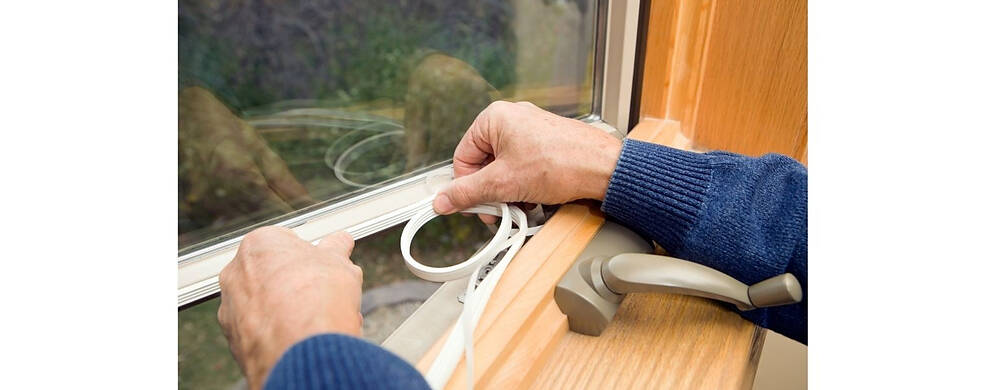
Drafty windows and doors can compromise your home's comfort and put extra strain on your heating system. Before winter sets in, inspect the areas surrounding your windows and exterior doors for any gaps, cracks, or worn weatherstripping.
What to do:
- Examine window frames and door edges for drafts.
- Replace any worn or damaged weatherstripping.
- Use exterior caulk to fill in the appropriate gaps and cracks.
- Consider adding door sweeps to minimize drafts beneath exterior doors.
Effectively sealing air leaks is an essential first step in enhancing your home's energy efficiency. For larger draft issues, you may want to assess your attic insulation and other potential entry points for outside air.
2. Clean Gutters and Downspouts
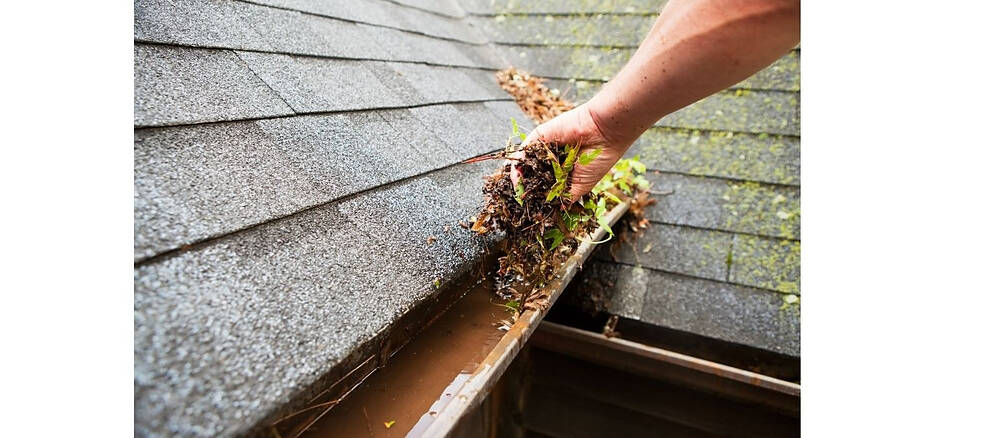
Fallen leaves and debris can obstruct gutters, hindering proper rainwater drainage. When water overflows, it may lead to moisture around the foundation, damaged landscaping, and various drainage issues.
What to do:
- Clear leaves, twigs, and debris from the gutters.
- Ensure downspouts allow water to flow freely.
- Check for leaks or loose sections at gutter connections.
- Confirm that downspouts direct water away from your home's foundation.
Always use a sturdy ladder and adhere to ladder safety guidelines. If your gutters are hard to access, consider hiring a professional.
3. Inspect Your Roof Before Winter Weather Arrives
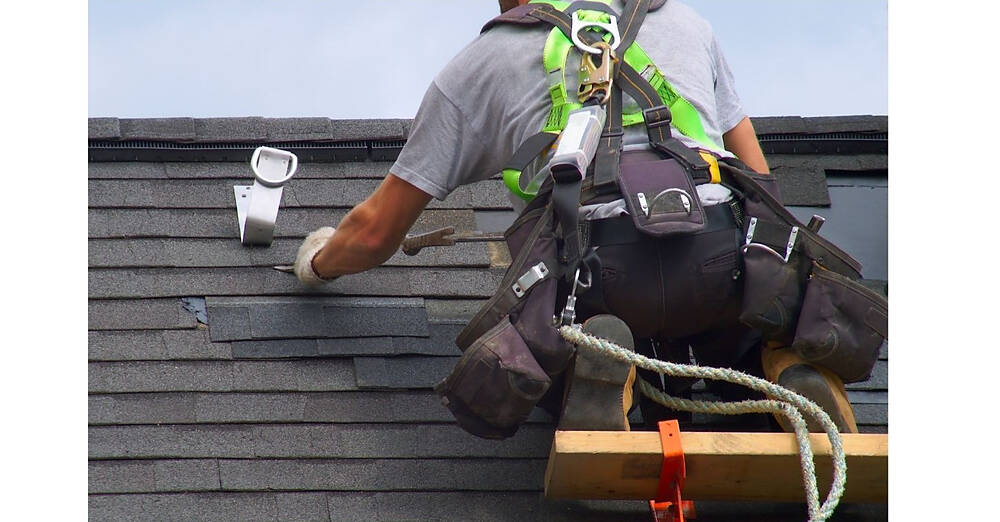
Your roof serves as your home's primary defense against rain, snow, and freezing temperatures. Fall is an ideal time to identify potential issues before winter conditions make repairs more challenging.
What to check:
- Missing, cracked, or damaged shingles
- Loose flashing around chimneys and vents
- Signs of water stains on ceilings or in the attic
- Debris that may obstruct drainage
Tackle minor issues before they escalate into major repairs. For steep roofs, significant damage, or hard-to-reach areas, it's advisable to contact a qualified roofing professional.
4. Safeguard Outdoor Faucets and Pipes Against Freezing
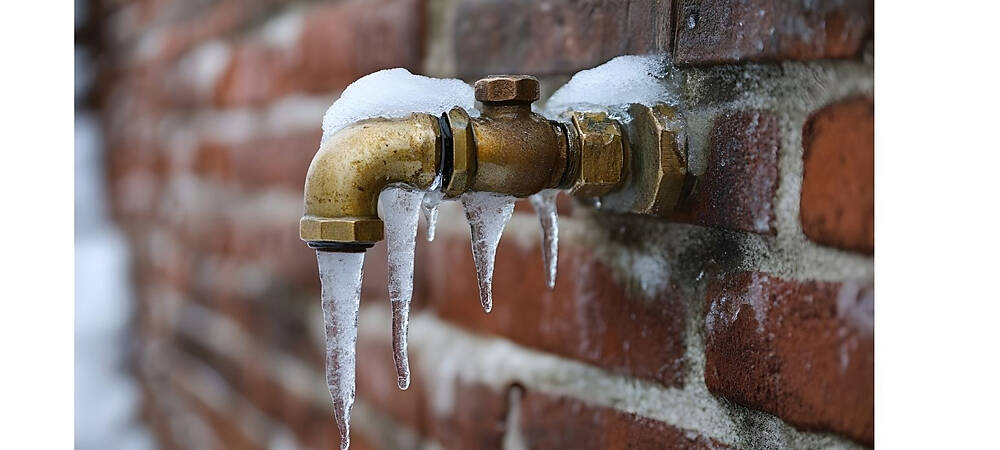
Freezing temperatures can lead to exposed pipes freezing and possibly bursting. It's crucial to prepare your outdoor plumbing in the fall, especially if your region is prone to severe freezes.
Steps to Follow:
- Disconnect garden hoses from outdoor faucets.
- Drain hoses and store them in a safe, protected area.
- Shut off and drain outdoor water lines wherever your plumbing system permits.
- Install insulated faucet covers where necessary.
- Insulate accessible pipes located in unheated areas, adhering to product guidelines.
If you have an irrigation system, adhere to the manufacturer's winterization instructions. When you are uncertain about shutting off or draining plumbing, seek advice from a qualified plumber.
5. Inspect Your Heating System and Change Air Filters
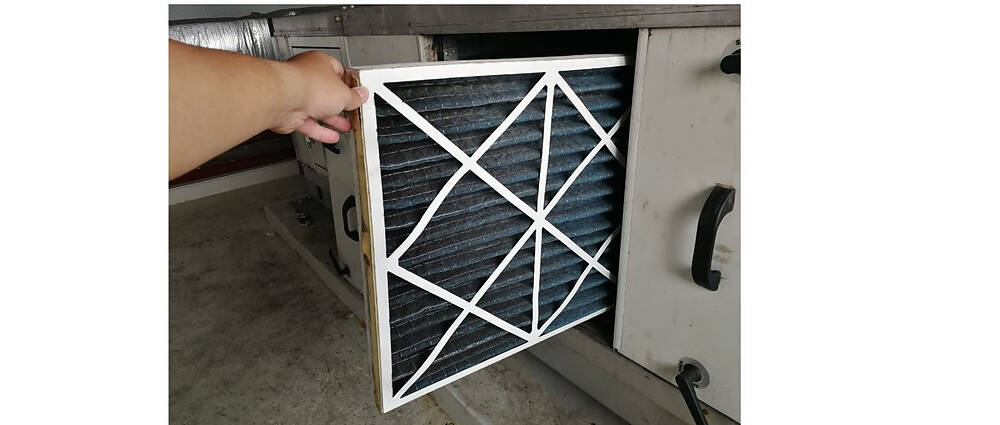
A heating system that hasn’t been evaluated before winter may fail just when you need it the most. The Fall season is a great time to assess your system, replace any dirty filters, and arrange for professional maintenance if necessary.
Your Heating Checklist:
- Replace or clean the air filter following the manufacturer's guidelines.
- Ensure that heating vents and returns are free from furniture and debris.
- Verify your thermostat settings.
- Schedule maintenance for your furnace or heat pump if required.
- Test smoke detectors and carbon monoxide alarms.
Never overlook any unusual noises, persistent odors, or signs of malfunction from your heating system. Make sure to have the equipment examined by a qualified technician.
6. Enhance Weatherstripping and Insulation as Needed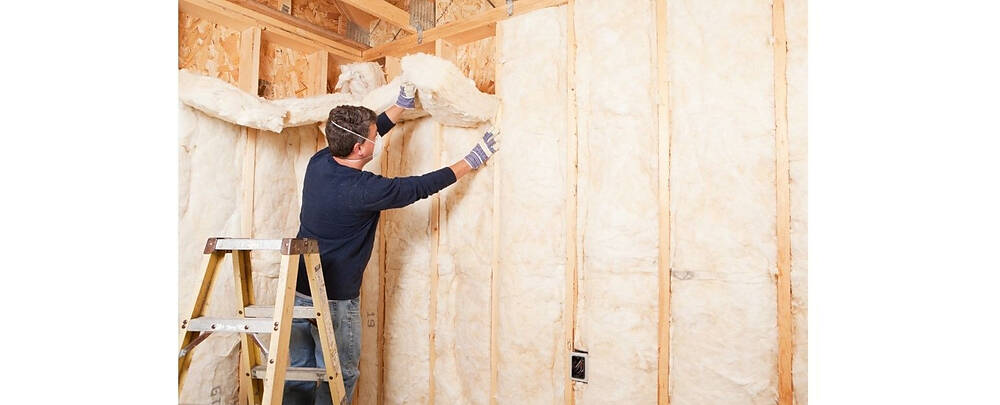
If some rooms in your home feel chillier than others, it might be due to air leaks or inadequate insulation. Enhancing the building envelope can lead to more consistent indoor temperatures. This stability minimizes drafts and temperature fluctuations, creating a more comfortable living environment.
Begin by inspecting accessible areas such as:
- Attic hatches
- Basement rim joists
- Gaps around utility penetrations
Look for insulation that is displaced, damaged, or missing.
Consider these useful home improvement supplies:
- Weatherstripping and door seals
- Caulk and compatible sealants
- Attic insulation
- Pipe insulation
- Foam gaskets for appropriate electrical outlets and switches on exterior walls
Be sure to use insulation and air-sealing products according to their instructions. Keep insulation and sealants away from heat-producing equipment and adhere to all fire safety guidelines. Special care is required when sealing around combustion appliances and flues.
7. Fix Cracks in Driveways and Walkways

Small cracks in concrete or asphalt can worsen when moisture seeps in and temperatures fluctuate. Be sure to inspect your driveway, sidewalks, and other outdoor surfaces before the freezing weather arrives.
What to do:
- Clean the cracks according to the repair product's guidelines.
- Select a crack filler that is appropriate for your specific surface.
- Verify the recommended application temperature and curing time.
- Address uneven walkways that could pose tripping hazards.
Keep in mind that not all repair products are suitable for every surface or temperature. Always check the label and consider local weather conditions before starting your project.
8. Preparing Your Yard and Outdoor Equipment for Winter
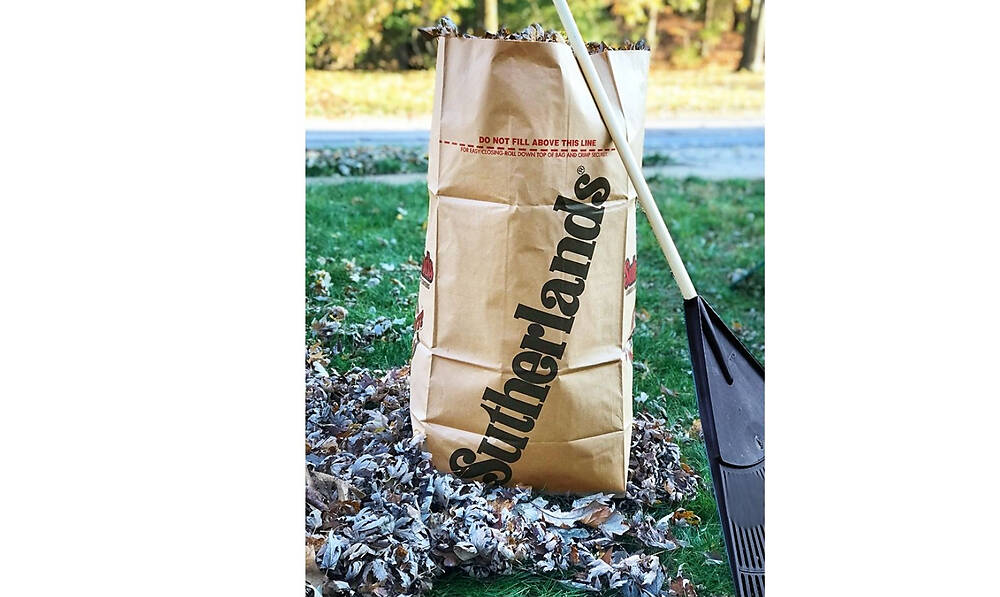
Fall yard cleanup is essential for safeguarding your outdoor spaces and ensuring easier maintenance come spring. Here are some tasks to kick off your preparations:
- Clear leaves and debris from lawns, flower beds, and drainage areas.
- Trim dead or damaged branches when it's safe to do so.
- Store garden hoses and protect outdoor faucets from freezing.
- Clean and stow lawn equipment following the manufacturer's instructions.
- Shield appropriate outdoor furniture and equipment from moisture.
- Apply mulch where necessary to safeguard plant roots.
If you're considering adding some color to your landscape, fall is also an excellent time to plant specific trees, shrubs, and perennials. Be sure to select varieties that are well-suited to your climate and adhere to local planting guidelines.
9. Examine Exterior Paint, Caulking, and Siding
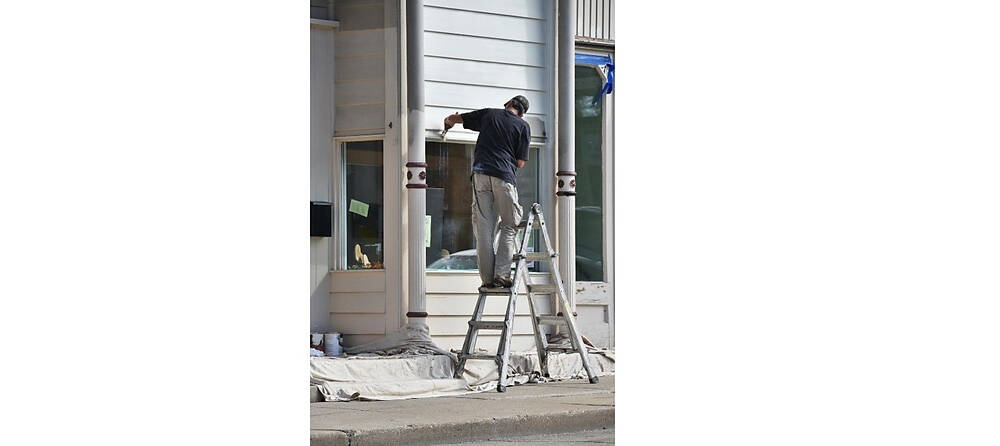
The exterior paint and siding of your home play a crucial role in protecting it from moisture and weather damage. Before winter arrives, take a stroll around your property and inspect for the following issues:
- Look for peeling or blistering paint.
- Check the caulking around windows and doors.
- Inspect siding for loose, cracked, or damaged sections.
- Search for signs of moisture intrusion.
- Identify any repairs needed before the temperatures drop.
If painting is part of your fall projects, be sure to review the paint manufacturer's requirements for temperature, humidity, and surface preparation, as some products may not adhere well in colder conditions.
10. Enhance Indoor Comfort Through Simple Home Updates

Winter is the perfect time to make your home’s interior feel cozier and more inviting. Small updates can make a big difference without the need for major renovations.
Consider these projects:
- Swap out outdated light bulbs for energy-efficient LED options.
- Install new door hardware or cabinet pulls for a quick refresh.
- Add shelving or storage solutions to minimize household clutter.
- Revitalize a room with a fresh paint color when conditions permit.
- Fix loose cabinet hinges, handles, and other everyday fixtures.
- Organize your garage or workshop before starting winter projects.
Getting your home ready for winter doesn’t have to be a daunting task. Begin by tackling the essential jobs that safeguard your home against water damage, drafts, and freezing temperatures. Once those are done, focus on smaller enhancements that revitalize your everyday living space
Visit your local Sutherlands store or shop online to discover a variety of products for your upcoming home improvement endeavors. Create your fall maintenance checklist, gather your supplies, and prepare your home for the chilly months ahead!