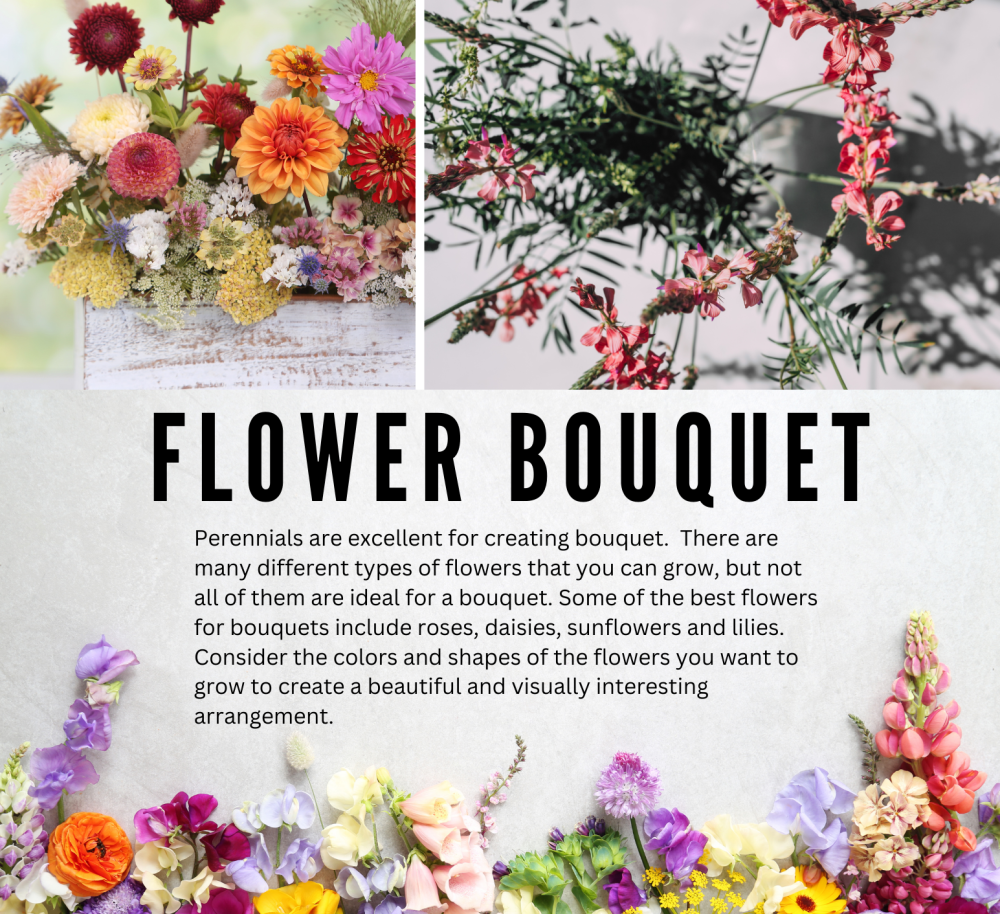
What is a perennial garden?
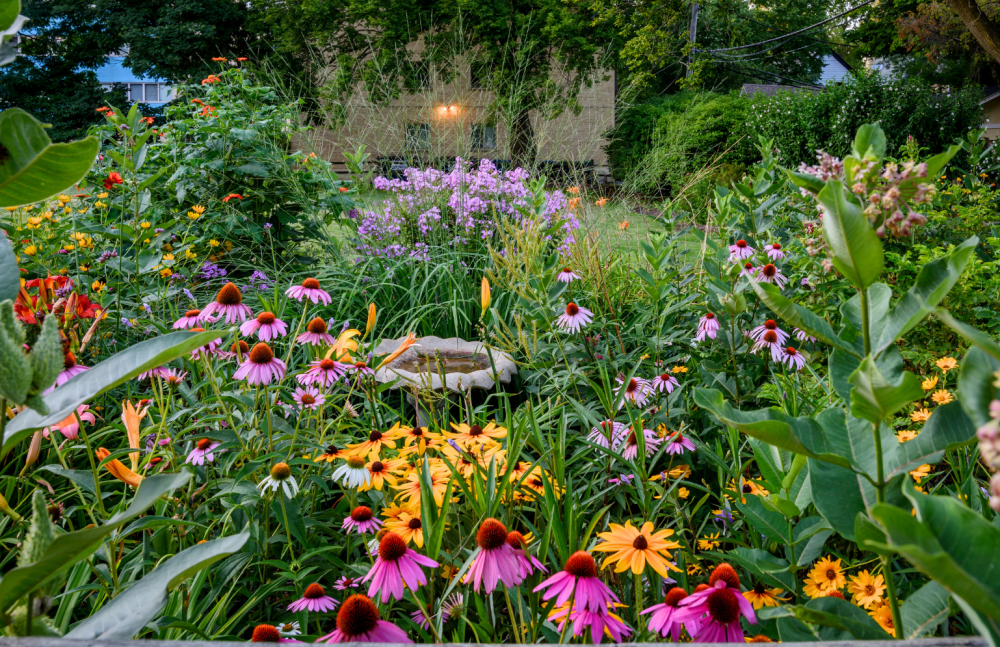
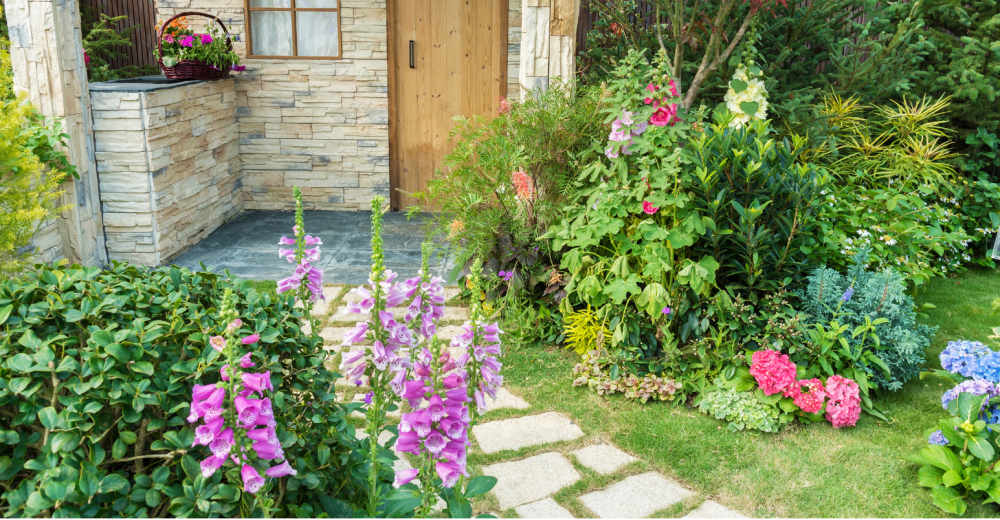
A perennial garden is a type of garden where the plants grow and bloom every year, as opposed to an annual garden where the plants only survive for one growing season. Perennials are plants that live for many years, and they can be either herbaceous or woody. Herbaceous perennials die back to the ground in winter and regrow in spring, while woody perennials such as shrubs and trees keep their above-ground structure year-round. Perennial gardens can provide a beautiful and low maintenance addition to any landscape, with a wide variety of plants available to suit different climates and growing conditions. They can be designed to feature blooms at different times of the year, ensuring that there is always something in bloom to enjoy. Some popular perennial plants include coneflowers, black-eyed susans, hostas and daylilies.
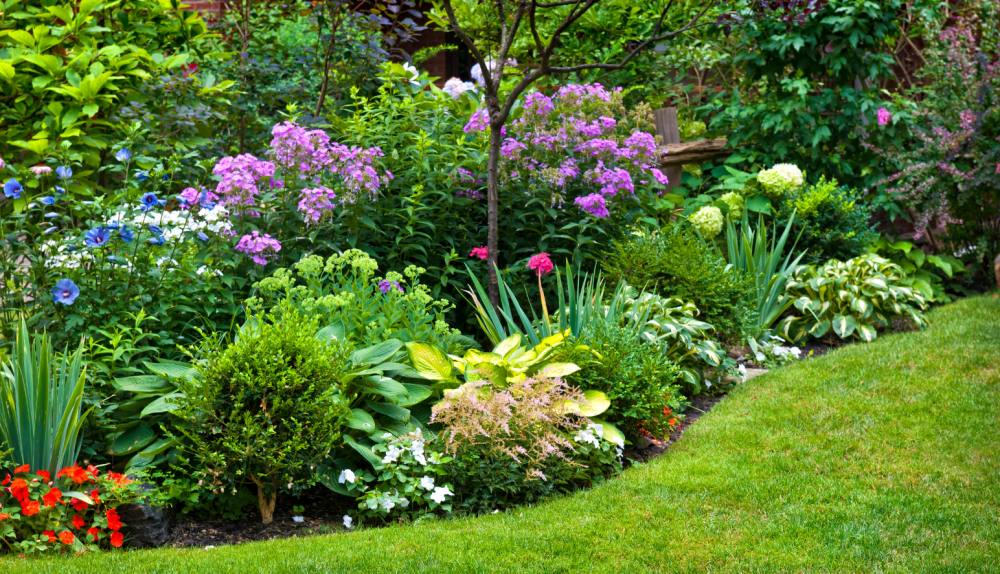
Here are several pros and cons to having a perennial garden.
Pros:
- Low Maintenance: Perennials require less maintenance than annuals because they come back year after year. They do not require replanting every year, so they save time and money.
- Long Bloom Period: Perennials bloom for a longer period of time than annuals, which means you can enjoy their beauty longer.
- Environmental Benefits: Perennials are often native plants, which means they are adapted to the local climate and require less water and fertilizer than non-native plants.
Cons:
- Initial Cost: Perennials can be more expensive to plant than annuals. However, this cost is offset by the fact that they do not need to be replanted every year.
- Limited Bloom Time: While perennials bloom for a longer period of time than annuals, each individual plant usually only blooms for a few weeks.
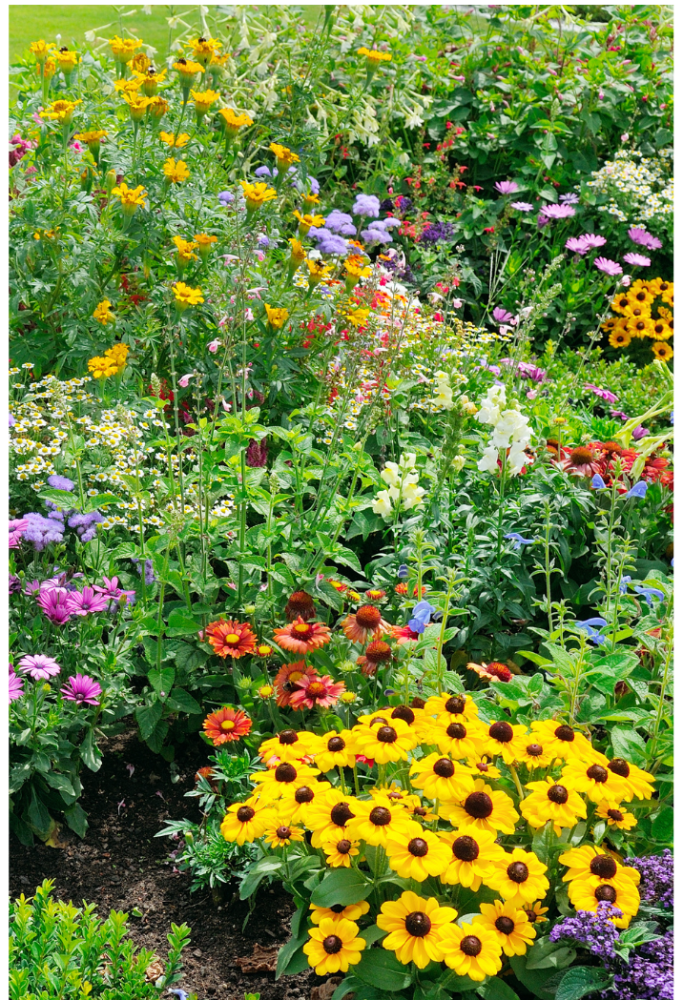
- Choose the right location: Perennial plants require a lot of sunlight, so choose a location that receives at least 6 hours of direct sunlight a day. Additionally, make sure the soil is well-draining and nutrient-rich.
- Plan your garden: Decide what plants you want to include in your garden and plan out their placement. Consider the height and spread of each plant, as well as their bloom time and color.
- Prepare the soil: Before planting your perennials, prepare the soil by removing any weeds or rocks and turning the soil to a depth of at least 12 inches. Add compost or other organic matter to improve soil fertility and drainage.
- Plant your perennials: Dig a hole for each plant that is slightly larger than the root ball. Place the plant in the hole, making sure the top of the root ball is level with the soil surface. Backfill the hole with soil and water thoroughly.
- Mulch around your plants: Adding a layer of mulch around your plants can help retain moisture, suppress weeds and regulate soil temperature.
- Maintain your garden: To keep your perennial garden looking its best, be sure to water regularly, fertilize as needed and prune or deadhead plants as necessary