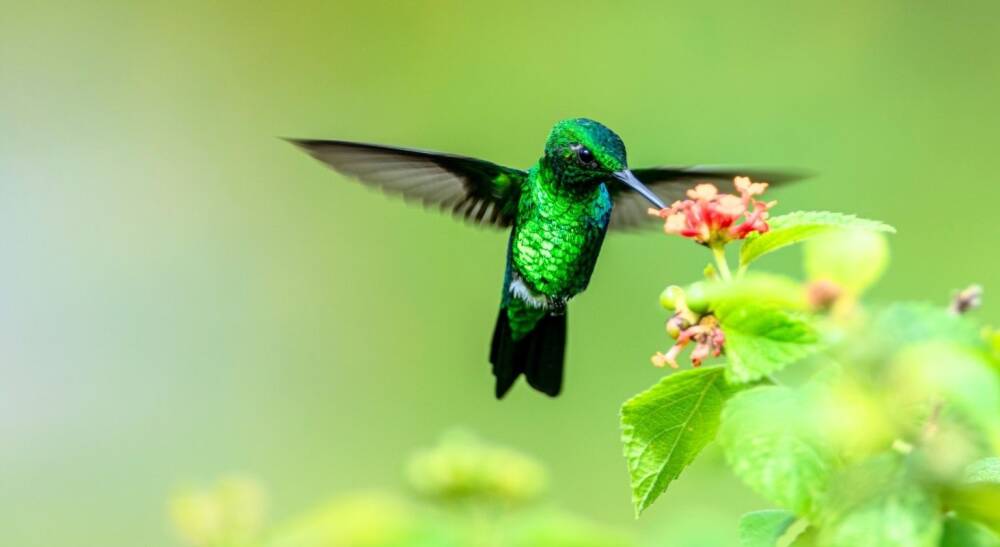
Where Are My Hummingbirds? When Will They Visit My Feeders?
If you’re a garden enthusiast, you’re likely eagerly awaiting the arrival of your hummingbirds for their annual visit. Here in the Midwest, where Sutherland's headquarters is located, the return of these delightful creatures brings with it a sense of excitement and anticipation. It signifies that summer is on the horizon.
[Discover more fascinating hummingbird facts here from our partner PerkyPet!]
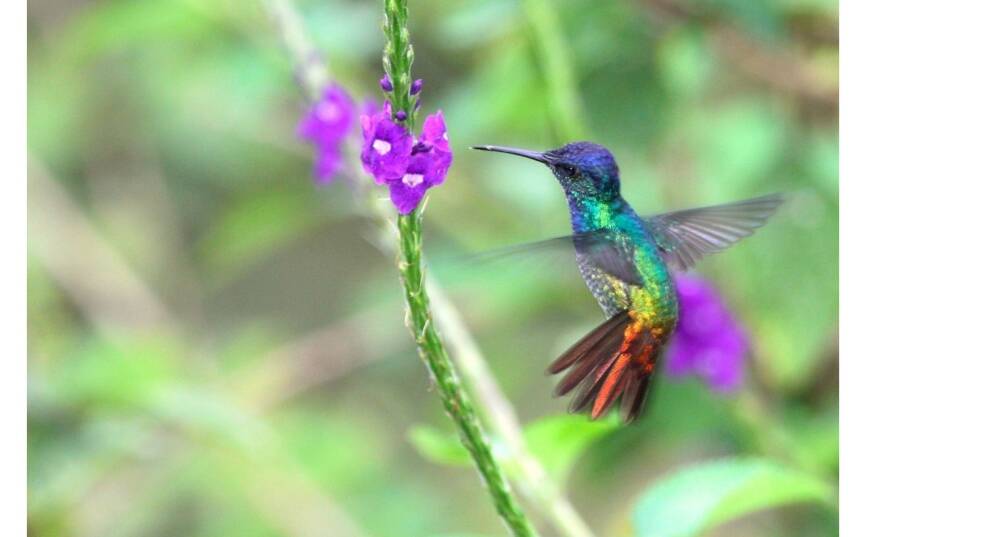
Are Your Hummingbirds Truly YOURS?
Do the same birds visit year after year? Here are some interesting facts from our Pet Pro at Perky Pet.
Did you know...?
- Hummingbirds have a great memory – they remember every flower & feeder they've been to, and how long it will take a flower to refill.
- A baby hummingbird is roughly the size of a penny and is unable to fly.
- The average life span of a hummingbird is 5 years, but they have been known to live for more than 10 years.
- Some hummingbirds will travel over 2,000 miles twice a year during their migration.
- Hummingbirds fly at an average of 25-30 miles per hour, and are able to dive up to 50 miles per hour.
Our friends at PerkyPet have this handy real time migration tracking.
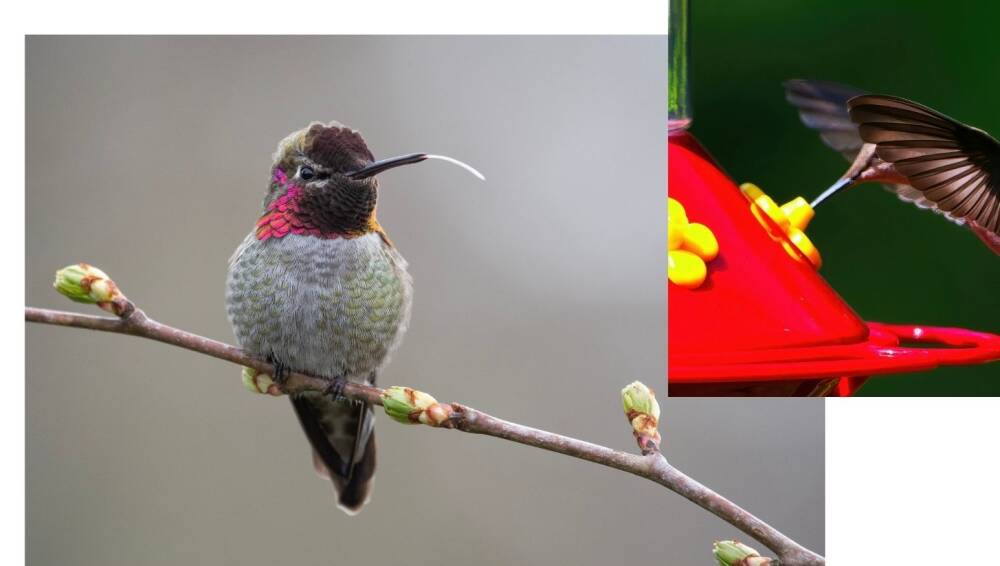
As captivating as it is to witness them fluttering their wings, have you ever watched a slow-motion video of a hummingbird feeding on nectar? It’s definitely worth searching for! Their tongue has a forked shape, with tiny hair-like structures at the tip, similar to a cat's tongue, that assist them in lapping up nectar.
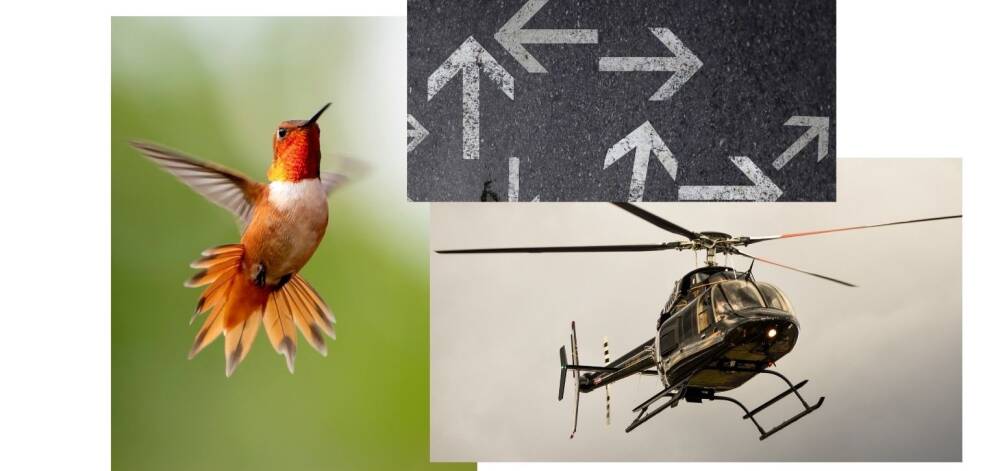
Hummingbirds are the only birds capable of flying in every direction, much like a helicopter. Interestingly, they are not the inspiration for helicopter design; rather, that credit goes to dragonflies. (Here's another fun fact for you!)
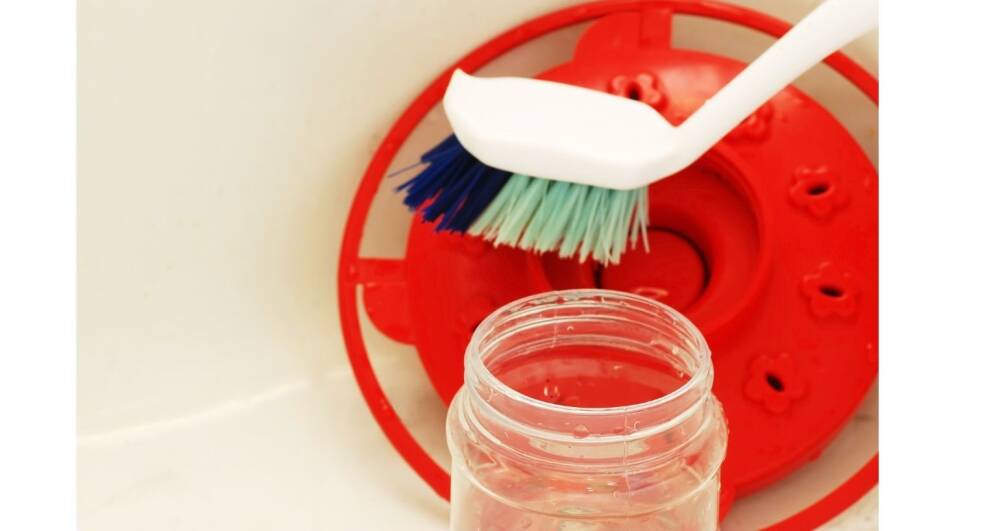
Do Hummingbirds See Red?
According to [Audubon] hummingbirds' vibrant sense of color is attributed to the high density of cones in their retinas, which often correspond to the many red flowers they visit. These cones contain pigments and oil droplets that range from yellow to red, effectively acting as filters. This filtering enhances color sensitivity in the red to yellow spectrum while dulling colors such as blue. Additionally, their impressive memories, combined with the abundance of red feeders, lead them to gravitate towards familiar food sources. To attract these charming birds, consider tying a red ribbon to your feeder.

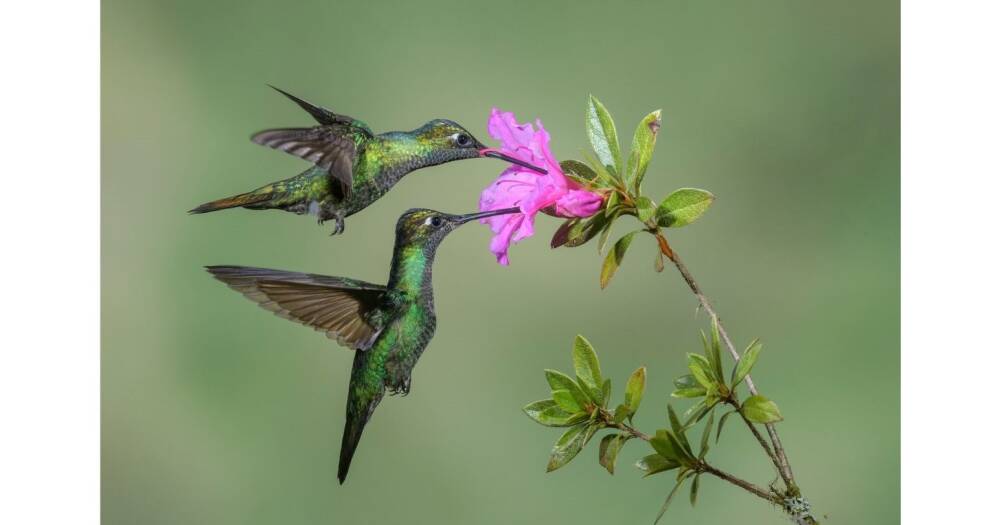
They are genuinely one of a kind—or rather, many kinds—that you will undoubtedly enjoy welcoming year after year. Sutherland's, of course, have all the feeders and food that our fluttering friends require.