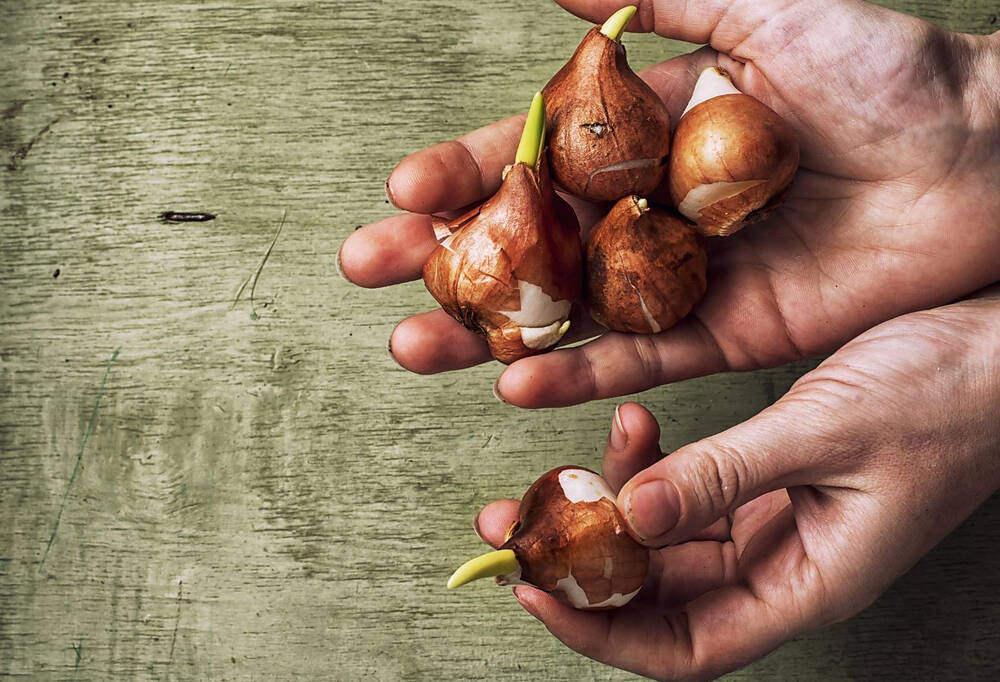
Indoor gardening might seem intimidating to some, as houseplants can occasionally be a bit finicky. However, Sutherlands presents an easy project that any plant lover can tackle indoor, and the exciting part is that you can start this even in the heart of winter. It's a wonderful remedy for cabin fever! We will be growing flower bulbs in water.
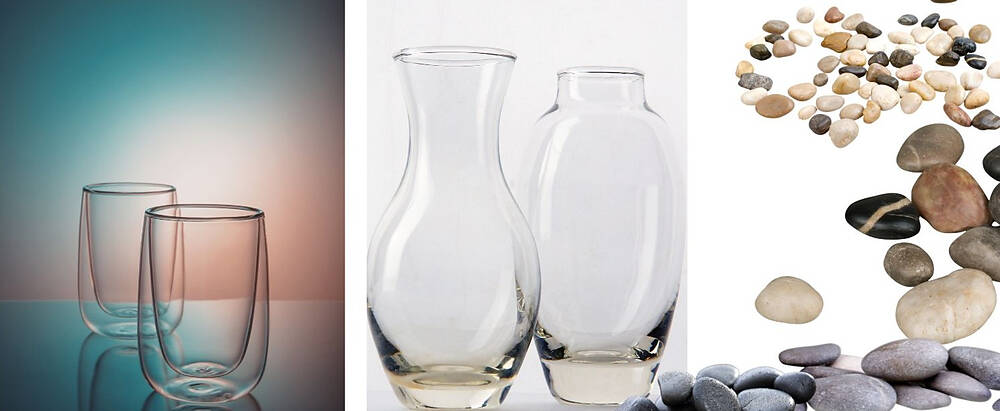
To kick off this project, you'll need a few essential items: flower bulbs, a container for the bulbs, and materials like pebbles and rocks. Flower bulbs may be somewhat challenging to find, so it’s best to stock up at the beginning of the season. Alternatively, you can always start planting them early in spring when they become available in stores.
Choosing the Right Bulbs and Containers
When selecting bulbs and containers, it’s essential to ensure compatibility. Always examine the bulb labels to identify the expected height of the plant. For taller varieties, choose a container that offers stability as the plant matures. On the other hand, a smaller, shorter container is adequate for low-growing plants.
For our experiment, we selected hyacinth and Irish bulbs. We strongly recommend using clear glass containers, as it's truly rewarding to observe the development of the roots.
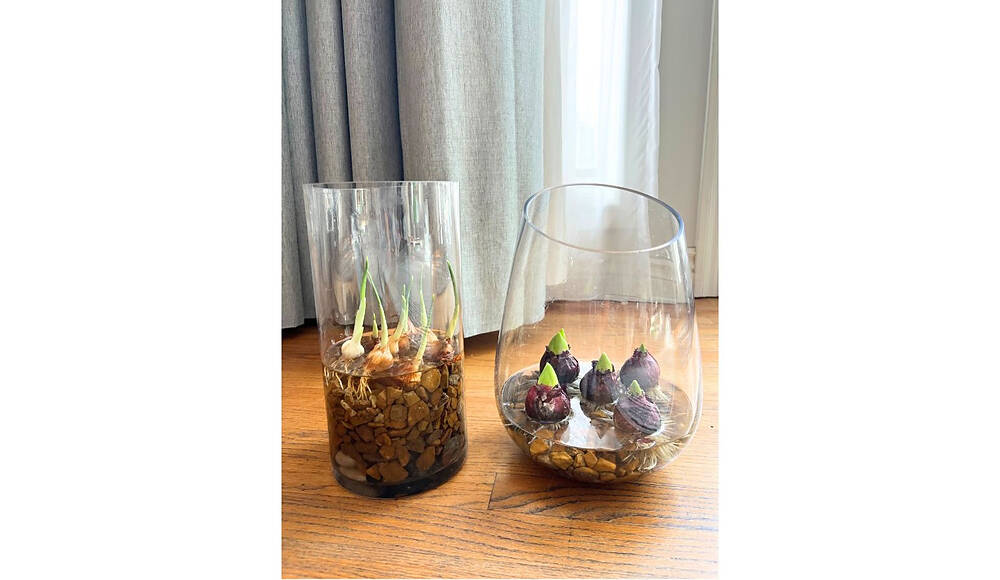
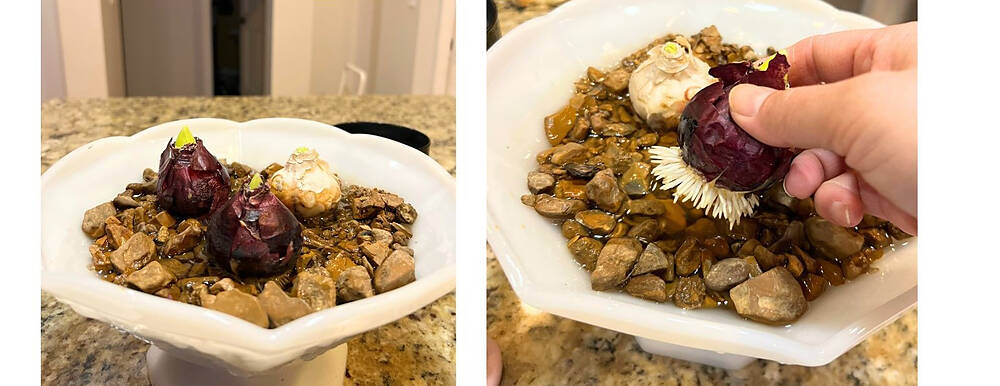
Stabilization: Since bulbs can float in water, it's essential to use rocks and pebbles to keep them securely in place.
Container Aesthetics: Get creative with the appearance of your container. You can choose:
- A mix of colored rocks
- All white or all tan rocks
- A combination of large and small stones
Next, fill the container with water, just enough to cover the base of the bulbs to prevent rot. Depending on their growth rate, you may need to change the water every few weeks.
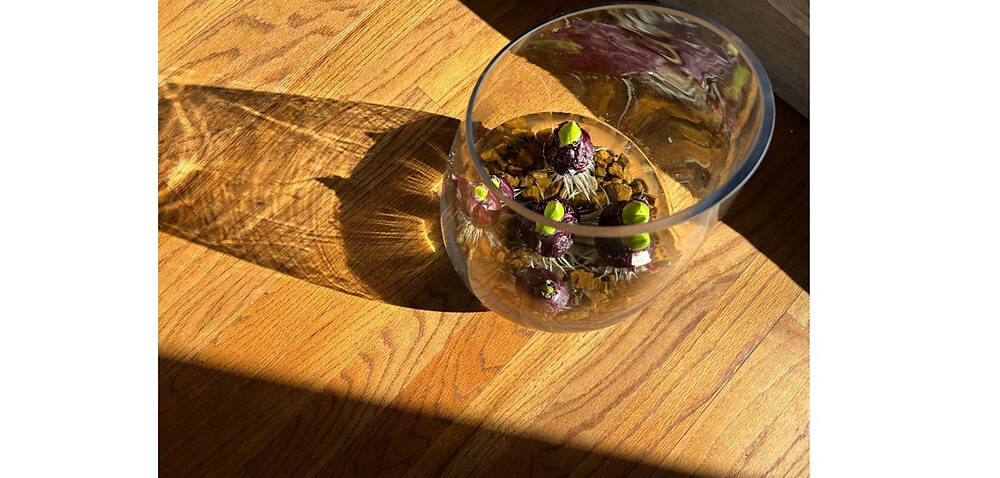
Just like growing in soil, they also require sunlight to initiate their growth. You can provide this crucial light source with the help of grow lights.
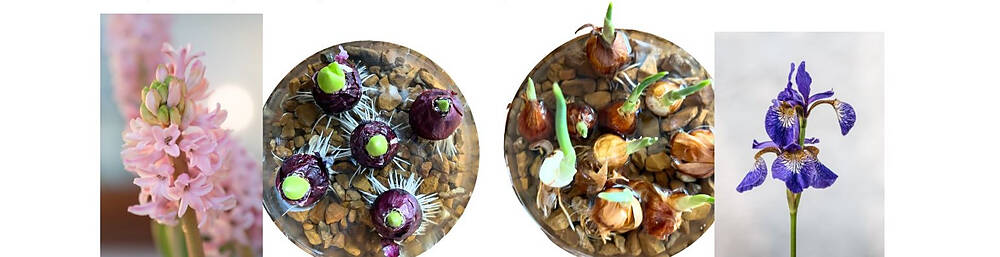
The growth rate of bulbs is affected by the average lifespan of each variety. For instance, these hyacinths start to form roots in as little as a few weeks.
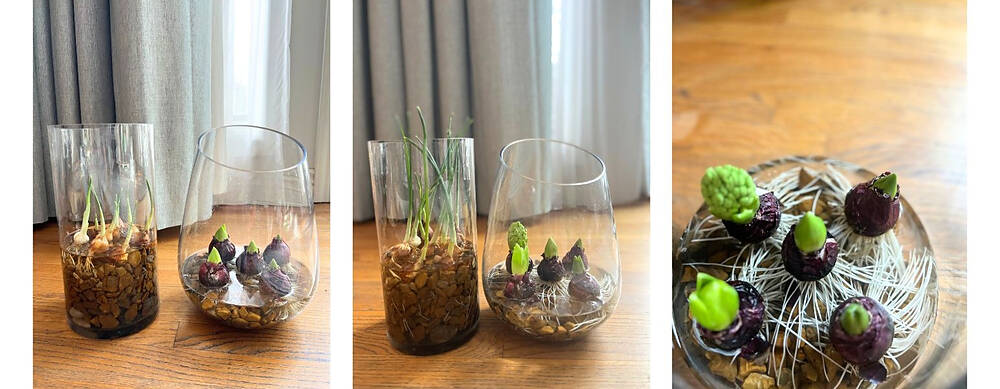
Sutherland guarantees that it’s nothing like watching paint dry. Each day, the roots are flourishing, and the hyacinth is truly an early riser.
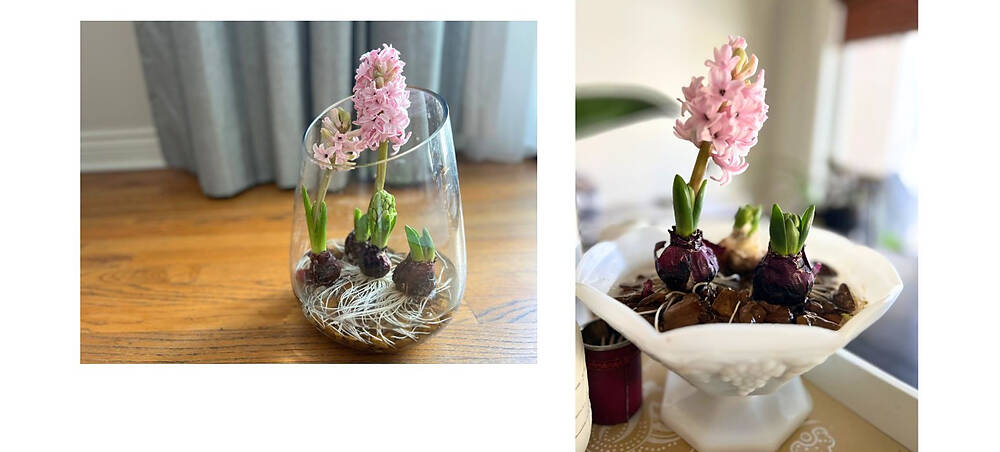
The one on the right: As the flower continues to grow, we found that the shallow dish fails to provide adequate stability for the bulb. If you opt for shallower containers, we recommend securing the bulbs with rocks halfway up to improve their support.
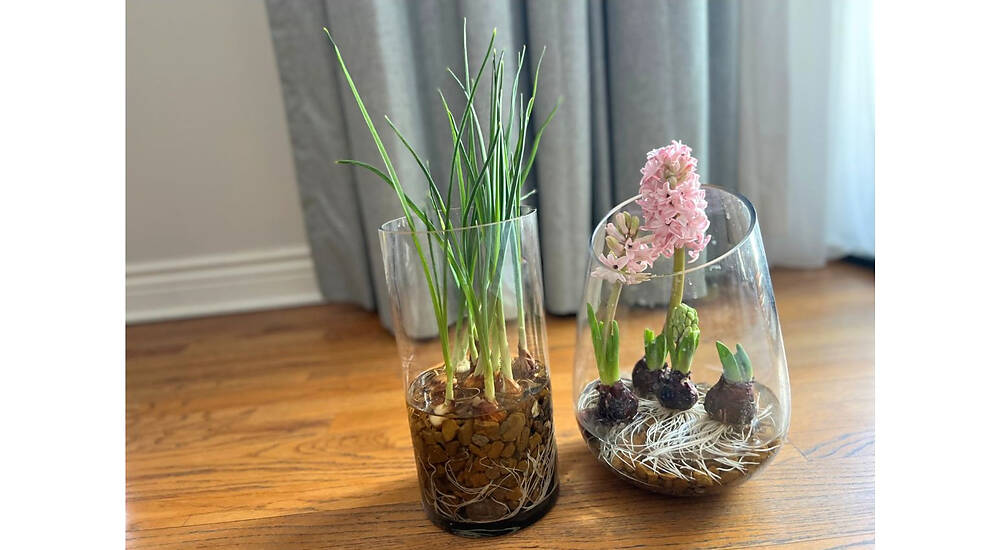
As you may notice, iris flowers take a considerable amount of time to bloom. (At the moment this blog is being written, the flowers have yet to start blooming. We will share an update once they begin to emerge.)
|
|
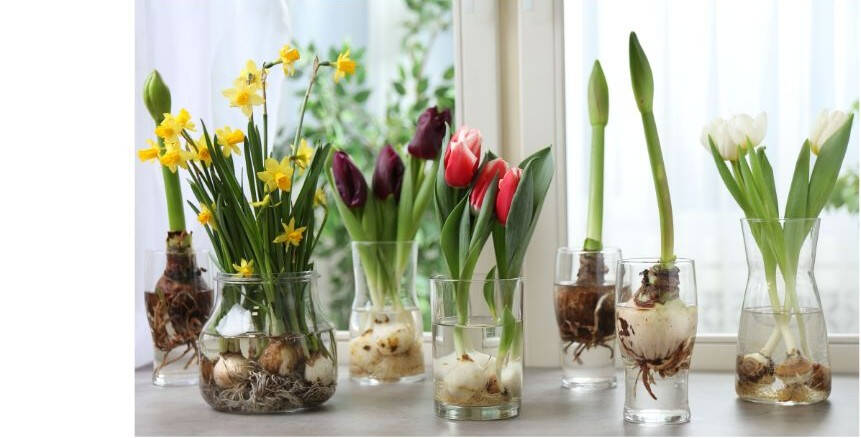
Here are flower bulbs that will thrive in water containers: Hyacinth, daffodils, crocus, tulips, amaryllis. |
Once the flowers have faded, you have a few options: you can either decompose the bulb, plant it in the ground for the next season, or let it go dormant. It’s essential to allow the leaves to turn yellow naturally, as this process helps the plant store energy for the upcoming season, ensuring you'll enjoy its beauty in your garden or container.