

The erratic weather can do a lot of damage to your garden. In many areas, we see spring-like conditions one day followed by a sudden drop in temperature the next. While you may feel the urge to remove all the dead plants, resist the temptation to tear everything out. Many of your plants can bounce back with proper care. Here’s how to manage freeze damage effectively.
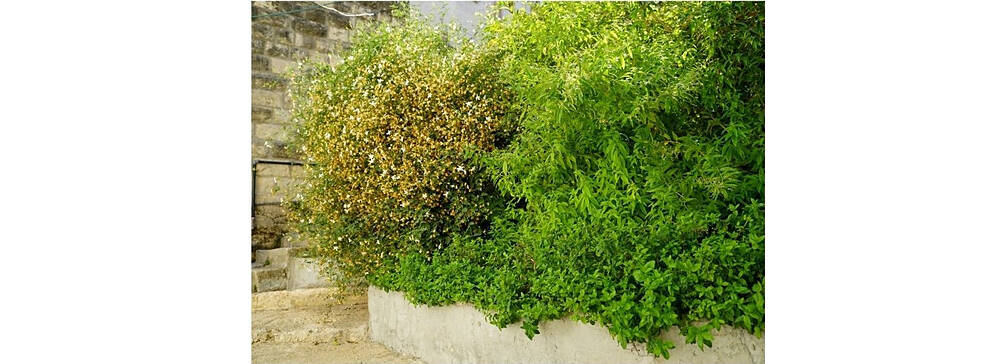
Assess the damage done to your plants, but don’t act too quickly. Immediately after a freeze, plants may appear worse than they really are. Leaves could turn black, wilt, or become mushy, yet the roots and stems might still be alive.

Before making significant cuts, take time to figure out what’s truly dead. Prune carefully, but not right away. Hold off until temperatures stabilize and you start seeing new growth. If you notice scorching, trim back dead, mushy, or blackened parts because they won’t recover. You can also do a scratch-test on stems: if it’s green underneath, it’s still alive. If it’s brown and brittle, it’s dead.
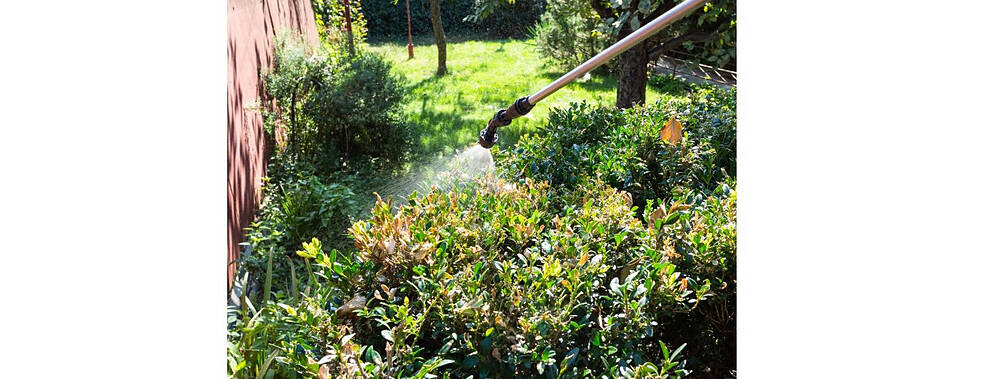
Support recovery by watering properly. Keep the soil slightly moist, not soggy. Avoid fertilizing right away . Damaged plants are stressed, and fertilizer can overwhelm them. Once you see new growth, you can resume light feeding.
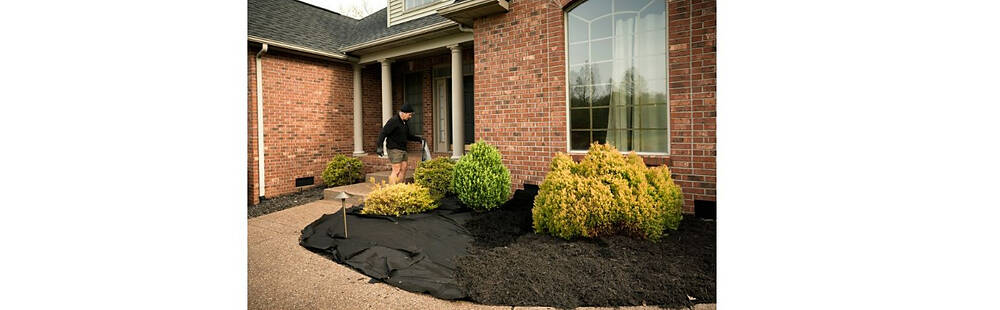
Help them bounce back by adding a thin layer of mulch to stabilize soil temperature and retain moisture.
Provide temporary shade if the sun is intense because damaged leaves are more prone to scorch.

Some plants will recover quickly, like perennials, while others, especially tropicals or tender annuals, may be done for the season. If no new growth appears after a couple of weeks and stems are completely brittle, it’s usually time to replace.
And last but not least! A common mistake to avoid is heavy pruning right before another potential frost.