 ness!
ness!
Make this the year you transform your backyard into your own farmer’s market! Sure, most veggies and herbs take a winter break, but berry plants and shrubs are the overachievers of the garden world. These juicy delights are packed with antioxidants, vitamins, and fiber, and nothing beats the taste of home-grown freshness!
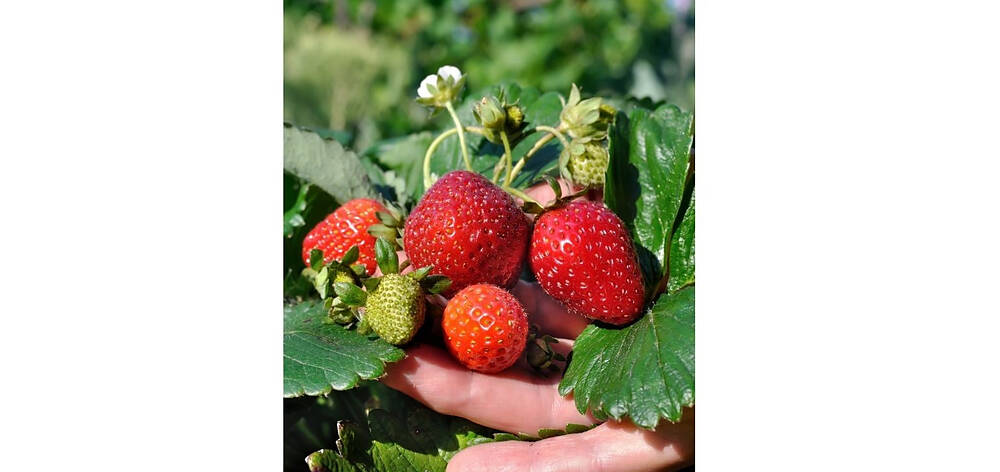
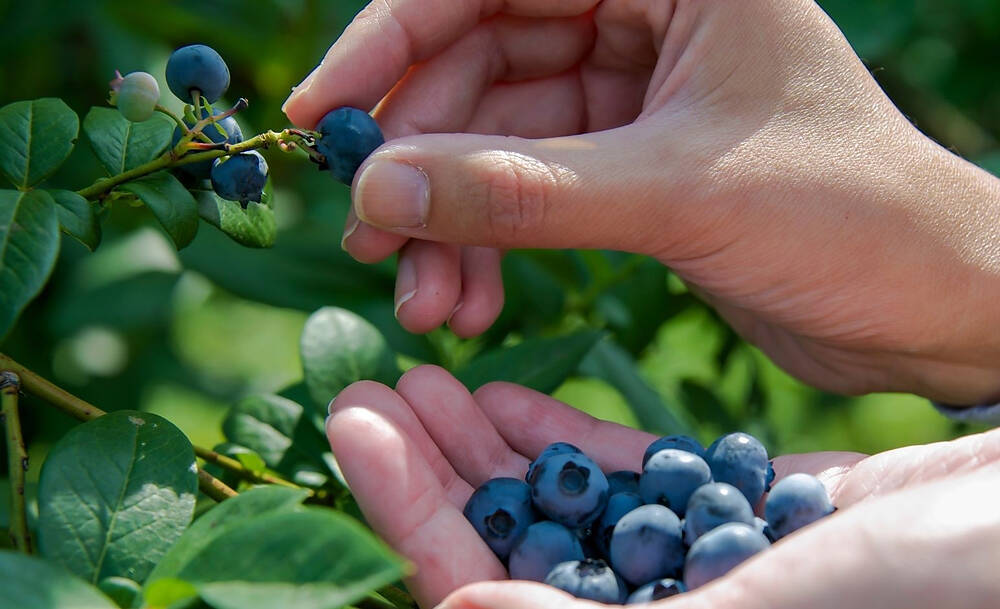
Berry bushes can produce fruit for ages if you treat them right! Did you know blueberry bushes can live for over 40 years? And here's an interesting tidbit: strawberries are not shrubs, but blueberries and currants are considered woody shrubs.
Here's a quick guide to keeping them happy:
 |
Most berry shrubs need full sunfor the best harvests. |
 |
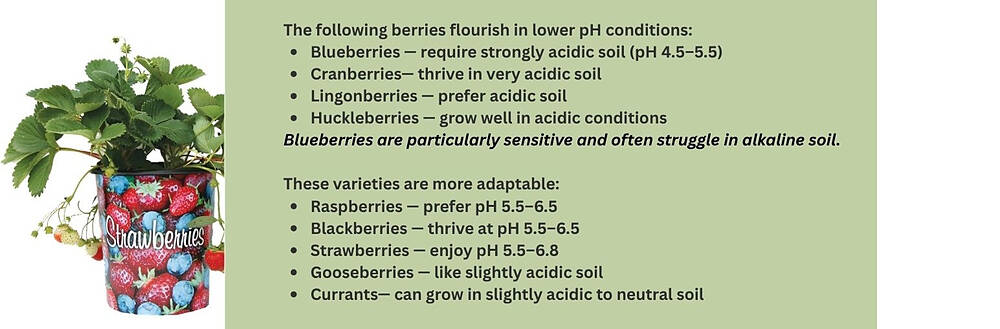
Most berries prefer acidic or lower PH level soil. They grow best in well-draining soil rich in organic matter. |
 |
The best time to fertilize most berry plants is in early spring, just before new growth begins. |
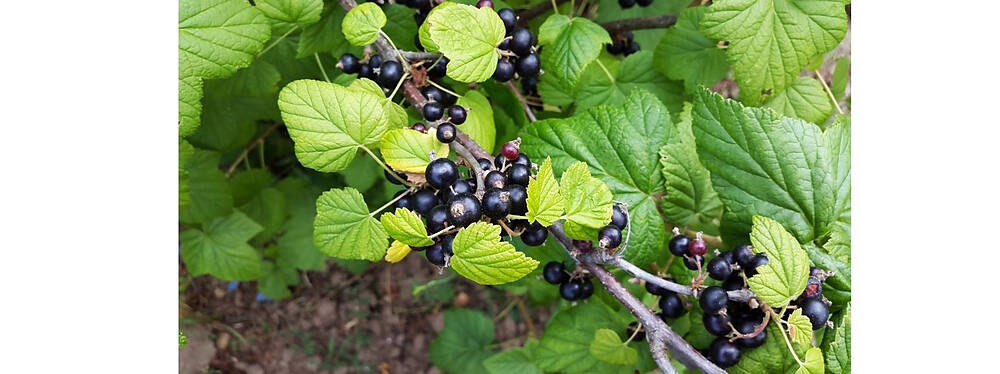
If you have a neighbor who grows blackberries near their fence, you may find yourself enjoying the benefits as well. It's important to remember that blackberries can spread rapidly, so regular pruning is advised to keep them under control. Proper pruning increases fruit production and plant health.
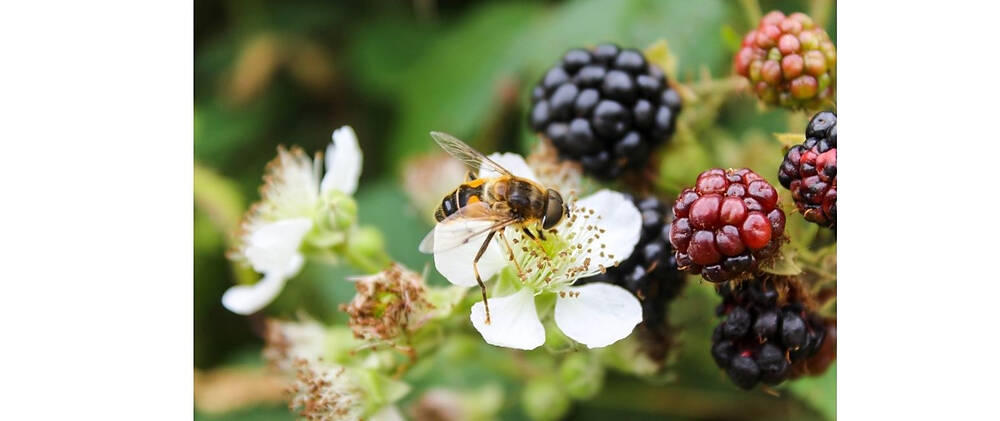
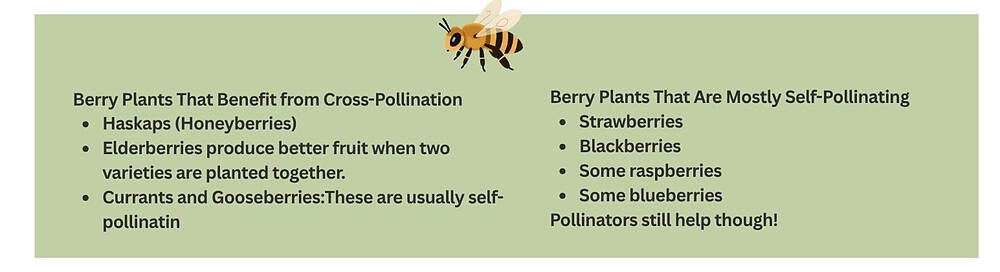
If you’re growing berries and not seeing the results you expected, this may be the reason why. Some berry bushes are self-pollinating, whereas others thrive when multiple varieties are planted nearby. Here are some companion plants you can grow to promote cross pollination.
First, consider planting different varieties of elderberries together to enhance fruit production. The diversity in elderberry plants encourages better cross-pollination, resulting in a more bountiful harvest. Similarly, haskaps, also known as honeyberries, benefit greatly from having a companion plant of a different variety nearby.
For those growing currants or gooseberries, while these plants are typically self-pollinating, introducing another type can still enhance their fruit production. Not only does this strategy improve pollination, but it also adds visual interest and diversity to your garden.
Additionally, planting flowers like marigolds or lavender nearby can attract beneficial pollinators such as bees and butterflies, further boosting your berry plants' productivity. These pollinator-friendly flowers support the berry plants and also bring vibrant colors and delightful fragrances to your garden space.
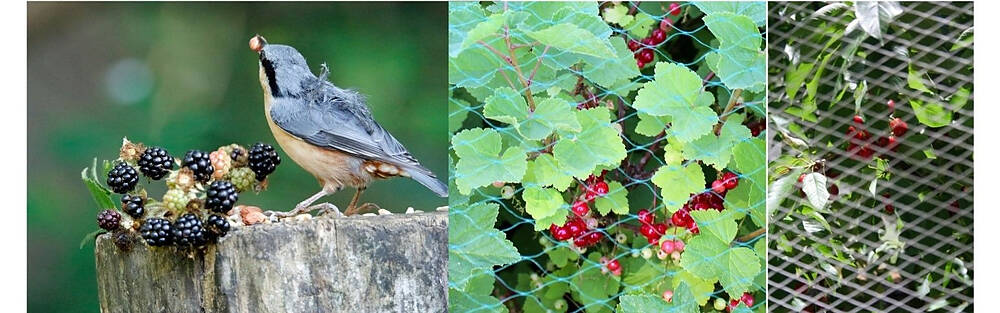
If you think you're the only one enjoying those berries, think again! Birds are just as smitten with berries as we are. So, unless you want to share, you might need to break out the nets! Sutherlands can guide you to the right selection to keep your plants protected.
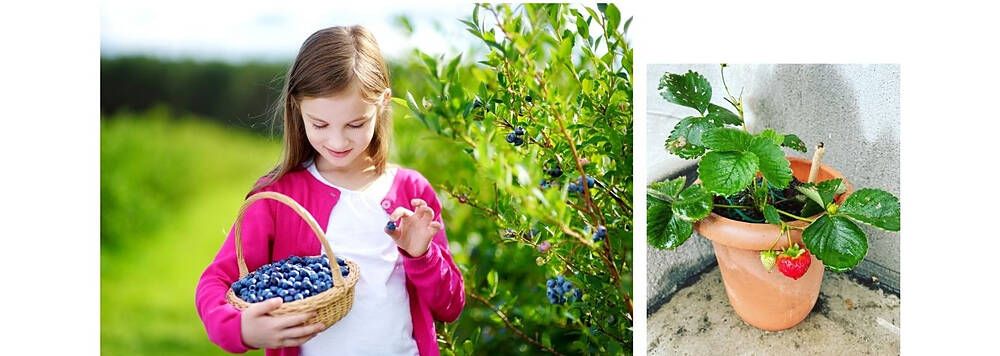
Berry plants are often easier for beginners to grow than fruit trees. Get the kids involved. It ‘s such a fun process from growing to picking them right off the trees. Plus they will bring pollinators to your yard. If you have limited space, options such as strawberries and blueberries can be grown successfully in raised garden beds or containers.