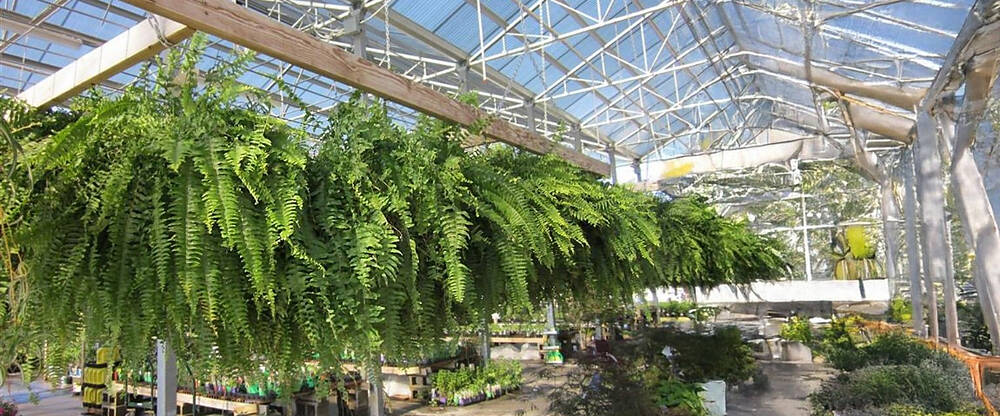
When anyone mentions getting ferns from Sutherlands, many might instantly think of Boston Ferns. However, it's fascinating to realize that there are a variety of other species, each with a unique look and care needs. Today, we will explore facts about each type. This year perhaps you’ll take the opportunity to discover all the fern varieties that Sutherlands offers at select locations.
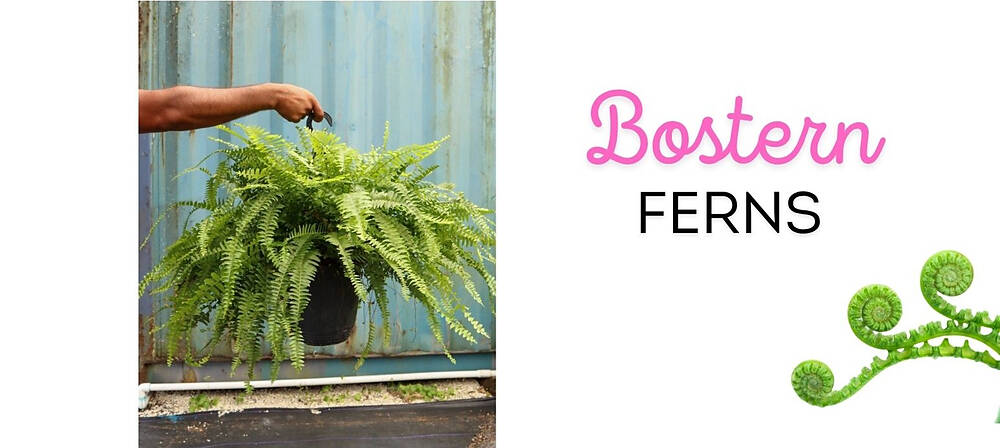
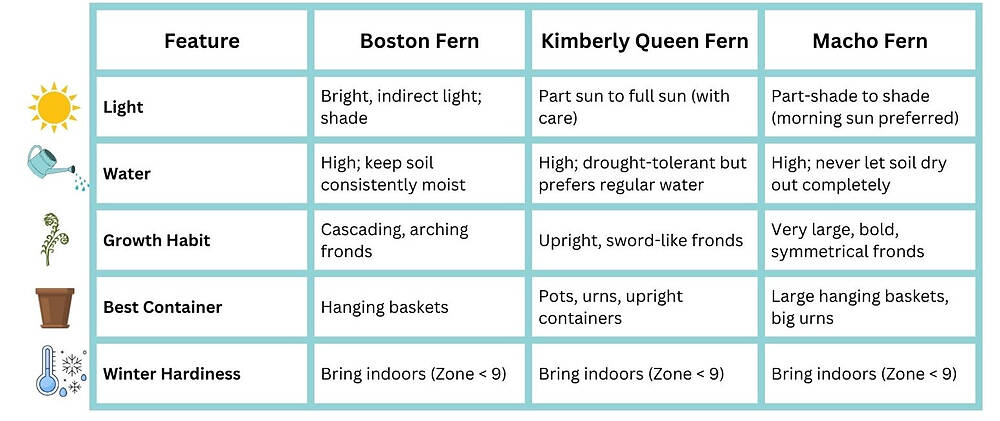
Boston Ferns (Nephrolepis exaltata) thrive in bright, indirect light and require consistent moisture, often needing daily watering in summer heat, as they dry out quickly in hanging baskets. They are not drought-resistant and prefer humid environments; yellowing fronds indicate overwatering, while leaf drop suggests drafts or dryness. For winter, bring them indoors before frost if you are in zone 9 or below, or trim fronds and place them in a bright, humid spot.
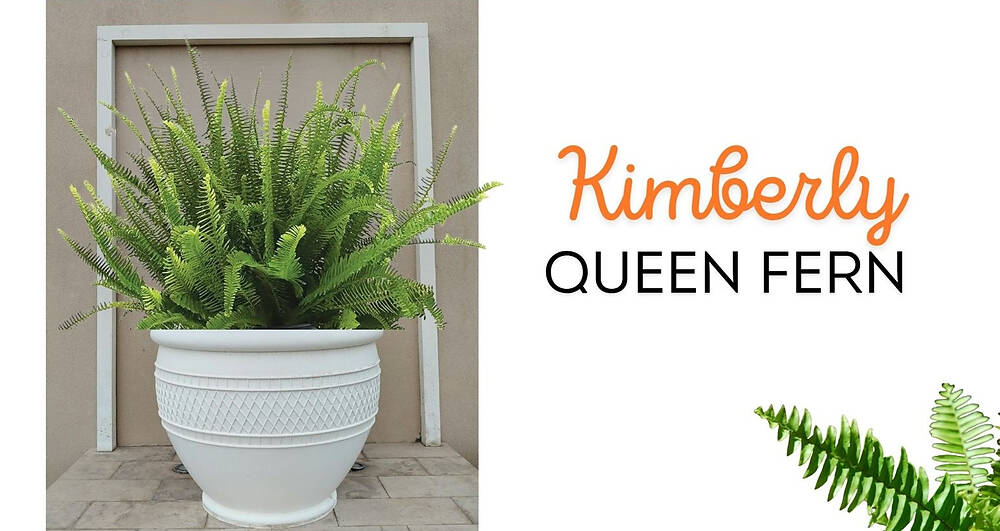
Kimberly Queen Ferns (Nephrolepis obliterata) are the most sun-tolerant of the three! They’re capable of handling full sun and drier conditions due to their Australian origin, though they still need regular watering. Unlike the cascading Boston fern, they grow with upright, sword-like fronds, making them ideal for pots and urns rather than hanging baskets. They are hardy outdoors in zones 9-11 put must be brought indoors before frost in colder climates in order to survive.

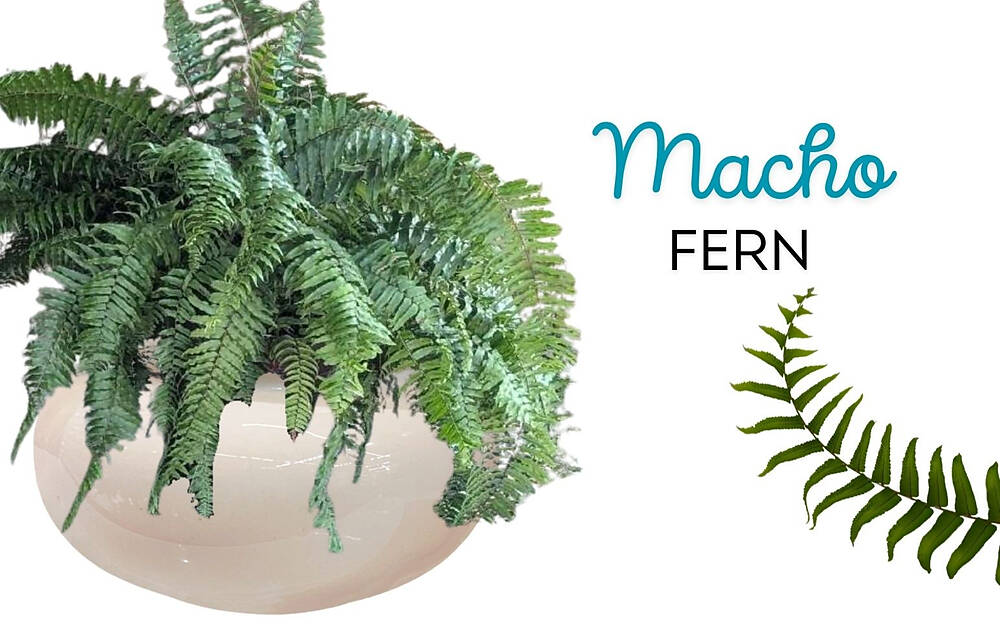
Macho Ferns (Nephrolepis biserrata) are large and bold, growing up to 4 feet tall with fronds that can reach 5 feet wide, making them a statement plant for large hanging baskets or urns. They prefer part-shade to shade with acidic, airy soil and require consistent moisture but cannot tolerate "wet feet" or waterlogging. Like the other Nephrolepis varieties, they are tropical and frost-tolerant only to 25°F, requiring protection or indoor overwintering in colder regions.
Here is a quick comparison
General Maintenance Tips
- Fertilizing: Feed with a nitrogen-rich or slow-release fertilizer every few weeks during spring and summer; bone meal is a specific organic option for Boston and Kimberly Queen ferns.
- Soil: Use a rich, well-draining potting mix (peat, perlite, orchid bark) that holds moisture without becoming soggy.
- Humidity: Mist fronds or place near a humidifier; dry air leads to crispy brown tips.
- Pests & Health: Check for pests regularly and avoid sudden temperature changes, which cause front drop.